How to Evaluate a Blood Sugar Supplement Company or Brand
How Do You Evaluate a Blood Sugar Supplement Company?
Evaluate a blood sugar supplement company on five checks, in this order: per-serving label transparency, whether those amounts match the doses used in published human trials, batch-level third-party testing, a verifiable company identity with a specific refund policy, and marketing that stops short of disease claims. A brand that passes all five may still not work for you; a brand that fails two or more is not worth buying.
- Start with the label, not the sales page: per-serving milligrams beat any story.
- Compare the dose to the trials, not to the competitor bottle next to it.
- Honest limit: this framework screens out bad companies. It cannot predict that a good one will work for you.
What it actually means to evaluate a supplement company
Evaluating a supplement company means judging the seller, not just the ingredient. Those are different questions, and people routinely collapse them into one. Berberine has a real evidence base; that tells you nothing about whether the particular company selling you berberine put a useful amount in the bottle, tested the batch, or will answer an email when the package does not arrive. A company can sell a well-researched compound badly, and a compound with weak evidence can be sold impeccably.
This matters more in supplements than in most consumer categories because of how the rules work. In the United States, dietary supplements do not need pre-market approval for safety or effectiveness. Manufacturers are responsible for their own product being safe and accurately labelled, and enforcement is largely after the fact. That leaves a wide quality spread between companies selling what looks like the same thing, and it puts the burden of evaluation on you. The checks below are how you carry that burden efficiently.
The seven checks that separate a credible brand from a marketing shell
Work through these in order. The first three do most of the filtering, and a company that fails any of them rarely recovers on the rest.
1. Does the label give a per-serving amount for every active ingredient?
This is the single most informative thing on any supplement. A credible label lists each active ingredient with a specific per-serving amount in milligrams or micrograms. If instead you see a “proprietary blend” with one combined weight covering eight ingredients, you cannot tell whether the blend is mostly the expensive, evidence-backed compound or mostly a cheap filler that rounds out the number. Proprietary blends are legal and not automatically dishonest, but they make the next check impossible, which is usually the point of using one.
2. Do those amounts match the doses used in published human trials?
An ingredient's evidence belongs to the dose that was studied, not to the ingredient's name. This is where most blood sugar formulas quietly fail. Berberine's trial literature clusters around roughly 500 mg taken two or three times daily; chromium trials typically run in the hundreds of micrograms; gymnema studies mostly use 400 to 600 mg of standardised extract. A label carrying a token amount of an ingredient purely so the name can appear on the front of the bottle is called fairy dusting, and it is common. Our rundown of the blood sugar supplement ingredients worth looking for lists the studied ranges, so you can check a label against the research rather than against a rival product.
3. Does the company publish batch-level third-party testing?
A Certificate of Analysis from an independent laboratory, tied to the batch number on the bottle you actually received, is the only practical proof that the contents match the label. It is not a formality. When researchers DNA-tested herbal products sold across North America, a substantial share contained substituted plant species or undeclared fillers rather than the plant named on the front. A brand that will email you a current certificate on request is meaningfully better than one that shows a laboratory stock photo beside the words “third-party tested” with no document behind them.
4. Is there a real company behind the website?
Look for a named business entity, a postal address that is not a mail drop, a working support email or phone number, and a person or team who takes responsibility for the formula. Then test it: send a specific question before you buy and see whether a human answers it. Companies that intend to honour a refund policy generally answer pre-sale email; companies that do not, often do not.
5. Is the refund policy specific, and does it survive a close read?
“Money-back guarantee” is a phrase, not a policy. A policy states the window in days, whether opened bottles qualify, who pays return shipping, whether a return authorisation number is required, and how long the refund takes to appear. Read the terms page rather than the badge. A generous headline number attached to conditions that quietly exclude opened product is worse than a shorter, honest window.
6. Does the marketing stop short of disease claims?
Dietary supplements may describe effects on the normal structure and function of the body. They may not claim to treat, cure, prevent or reverse a disease, and diabetes is a disease. A page promising to “reverse type 2 diabetes” or to let you “throw away your metformin” is not simply enthusiastic; it is making a claim the category is not permitted to make. The same instinct shows up in borrowed drug names, which is why we looked at whether berberine really deserves the ‘nature’s Ozempic’ label — the honest answer is that the comparison collapses the moment you look at the effect sizes side by side.
7. Does the brand acknowledge interactions and limits anywhere?
Credible companies say who should not take the product. Blood sugar ingredients are precisely the ones where this matters, because several of them add to the effect of glucose-lowering medication and some affect how other drugs are metabolised. A brand that has thought about safety will mention it somewhere; a brand that only sells will not. If a site is silent on the subject, our guide to berberine drug interactions covers what the label should have told you.
Which plant compounds actually have insulin-support evidence?
The strongest plant-derived candidates for insulin and glucose support are berberine, cinnamon, gymnema, fenugreek, bitter melon and banaba, with chromium and magnesium as the two minerals carrying a comparable literature. That is the honest short list, and the ranking within it is not close. An overview of meta-analyses of medicinal plants for glycaemic control found that while several botanicals show statistically significant effects, the underlying trials are frequently small, short and of mixed quality, and the pooled effects are modest. An earlier systematic review of herbs and dietary supplements for glycemic control reached a broadly similar verdict nearly two decades before, which tells you how slowly this evidence base moves.
The practical implication for evaluating a company is direct. A formula built from that short list, at trial-comparable doses, is a defensible product. A formula padded with a dozen extra botanicals that have no glucose literature at all is a marketing artefact, because every additional name competes for the same limited per-serving room as the ingredients that do have data behind them.
How do cinnamon, chromium and berberine compare on effectiveness?
Berberine has the strongest trial evidence of the three, chromium the most inconsistent, and cinnamon sits between them with real uncertainty about which species was even tested. This is the comparison people search for most often, and the table below is the short version.
| Compound | What pooled human trials show | Main limitation |
|---|---|---|
| Berberine | A systematic review and meta-analysis found consistent reductions in fasting glucose and HbA1c in type 2 diabetes | Poor oral bioavailability; frequent digestive side effects; genuine drug interactions |
| Cinnamon | The Cochrane review of cinnamon for diabetes found insufficient evidence to support its use; later meta-analyses are more favourable but inconsistent | Trials rarely specify Ceylon versus cassia; cassia carries a coumarin load |
| Chromium | Pooled randomised controlled trials show small improvements in glycaemic markers, clearest where baseline status was low | Effect size small; benefit concentrated in deficiency rather than the general population |
Two things follow from that table. First, a three-way blend is not automatically three times better — we unpack that in detail in our look at what the evidence for berberine, cinnamon and chromium together actually supports. Second, the species question is not pedantry: if a label says only “cinnamon”, you are being invited to assume the more expensive one, and our Ceylon versus cassia comparison explains why that assumption is usually wrong. The same form-and-species question applies to minerals, which is why the form of chromium named on the label is worth checking too.
What ‘FDA registered’ and similar phrases really mean
The FDA does not approve dietary supplements, so no supplement company can truthfully describe its product as FDA approved. What a company can say is that its manufacturing facility is registered with the agency and operates under Good Manufacturing Practice rules — a statement about the building and its procedures, not about whether the formula works. “Clinically studied ingredients” is another phrase worth parsing slowly: it usually means an ingredient has been studied by someone, somewhere, at some dose, not that this finished product was trialled. Neither phrase is a lie. Both are routinely read as far more than they say.
Safety note: “natural” is not a safety category. A national surveillance study of emergency department visits attributed thousands of US visits a year to adverse events involving dietary supplements, and an analysis of FDA warnings found unapproved pharmaceutical ingredients hidden in supplements across several product categories. Buying from a company that tests its batches is a safety decision, not only a quality one.
Red flags that should end an evaluation early
- A countdown timer that resets when you reload. Manufactured scarcity is a tell about the seller's confidence in the product.
- No per-serving amounts anywhere, including on the enlarged label image.
- A named prescription drug used as the benchmark in headline copy.
- Testimonials carrying specific numbers — a named A1c drop attributed to an unverified customer is the least reliable form of evidence there is.
- A refund policy that exists only as a badge, with no linked terms page behind it.
- An ingredient list longer than the evidence base, where a dozen botanicals share a single blend weight.
- Contact details that resolve to nothing — a form with no entity name, no address and no reply.
What this framework cannot tell you
Be clear about the limits, because a checklist that oversells itself has the same problem as the marketing it is meant to filter. Passing all seven checks tells you a company is transparent, plausibly dosed and reachable. It does not tell you the product will lower your glucose, because the ingredient evidence itself is modest and individual response varies widely. It cannot detect a batch problem that arose after the last published test. It cannot distinguish a small honest company from a large one with a better compliance department. And it is a snapshot: ownership, contract manufacturers and formulas all change, sometimes without the label changing much at all. We have written separately about the claims this category makes that the evidence does not support, and the honest summary is that supplement quality is a floor, not a promise.
A ten-minute vetting routine
Here is the whole framework as a sequence you can run before buying anything.
- Find the supplement facts panel. If there is no readable per-serving breakdown, stop here.
- Write down the three headline ingredients and their amounts.
- Compare each amount with the studied range for that ingredient, and note anything an order of magnitude below it.
- Search the site for “Certificate of Analysis” or “third-party tested” and check whether an actual document exists.
- Open the refund terms page and note the window, the condition on opened bottles, and who pays return postage.
- Scan the sales copy for disease claims and prescription drug-name comparisons.
- Send one specific pre-sale question and give it 48 hours.
If you do decide to buy, decide in advance how you will judge the result, because “I feel better” is not measurable. Fasting readings taken the same way each morning, or an HbA1c drawn before and again about three months later, are the two practical options; some people use a sensor instead, and our piece on whether a continuous glucose monitor is worth it if you are not diabetic covers what that does and does not add. Timing matters as well, since several of these ingredients are meant to be taken with food — our guide to the best time to take a blood sugar supplement explains which ones and why.
Medical note: this article is general consumer information, not medical advice. Blood sugar ingredients can add to the effect of glucose-lowering medication. Speak to a healthcare professional before starting any supplement, especially if you take medication or are pregnant or nursing.
Scientific references
- NIH Office of Dietary Supplements — Dietary Supplement Fact Sheets
- NIH NCCIH — Diabetes and Dietary Supplements: What You Need To Know
- Newmaster SG et al. DNA barcoding detects contamination and substitution in North American herbal products. BMC Med. 2013. PMID: 24120035
- Geller AI et al. Emergency Department Visits for Adverse Events Related to Dietary Supplements. N Engl J Med. 2015. PMID: 26465986
- Tucker J et al. Unapproved Pharmaceutical Ingredients Included in Dietary Supplements Associated With US Food and Drug Administration Warnings. JAMA Netw Open. 2018. PMID: 30646238
- Willcox ML et al. Effectiveness of Medicinal Plants for Glycaemic Control in Type 2 Diabetes: An Overview of Meta-Analyses of Clinical Trials. Front Pharmacol. 2021. PMID: 34899340
- Yeh GY et al. Systematic review of herbs and dietary supplements for glycemic control in diabetes. Diabetes Care. 2003. PMID: 12663610
- Xie W et al. Glucose-lowering effect of berberine on type 2 diabetes: a systematic review and meta-analysis. Front Pharmacol. 2022. PMID: 36467075
- Asbaghi O et al. Effects of chromium supplementation on glycemic control in patients with type 2 diabetes: a systematic review and meta-analysis of randomized controlled trials. Pharmacol Res. 2020. PMID: 32730903
- Leach MJ, Kumar S. Cinnamon for diabetes mellitus. Cochrane Database Syst Rev. 2012. PMID: 22972104
See the checklist applied to one label
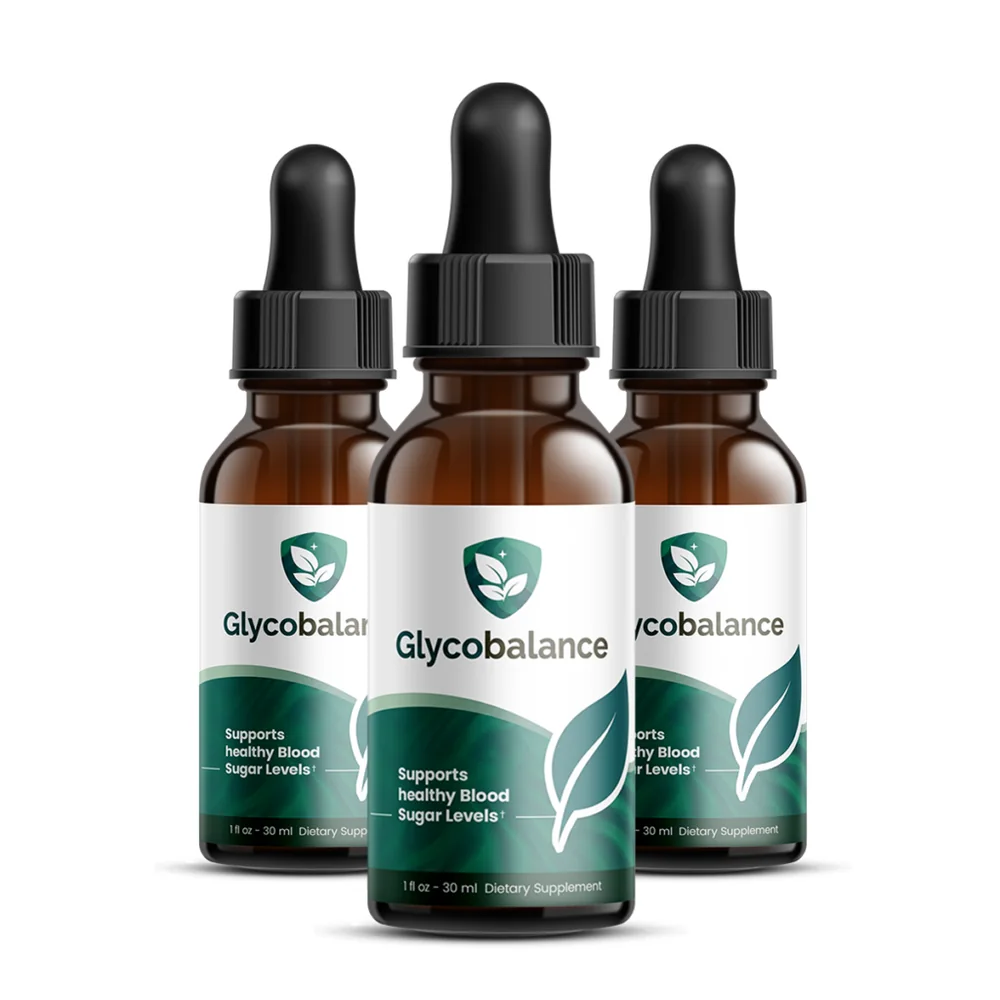
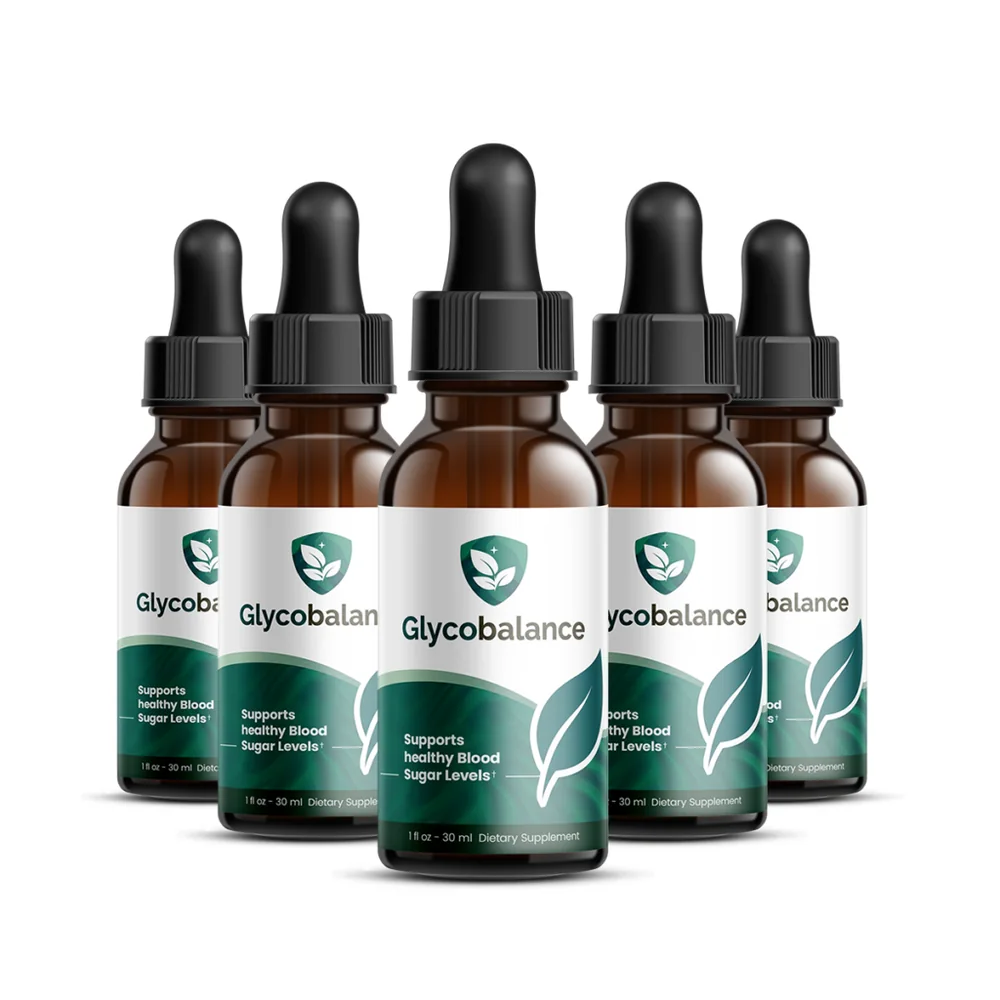
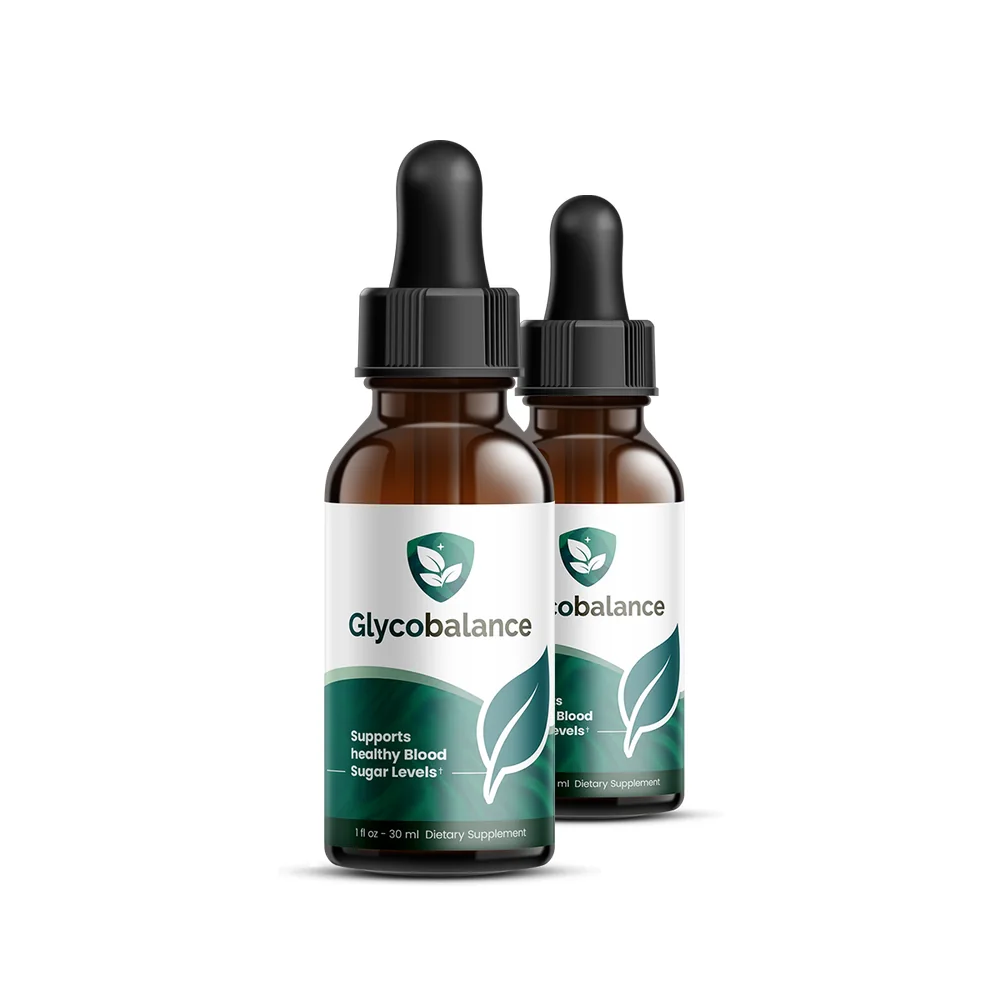
GlycoBalance publishes its per-dropper amounts, its full ingredient list and its guarantee terms — run the seven checks against them yourself.
Frequently asked questions
How do you evaluate a blood sugar supplement company?
Work through five things in order: does the label list a per-serving amount for every active ingredient, do those amounts match the doses used in published human trials, does the company name its manufacturing facility and publish third-party test results, is there a real contact address and a refund policy with specific terms, and does the marketing avoid disease claims. A brand that passes all five is not guaranteed to work, but a brand that fails two or more is not worth your money.
Is a proprietary blend automatically a bad sign?
It is a transparency problem rather than proof of a bad product. A proprietary blend tells you the total weight of a group of ingredients but not how much of each one you are getting, so you cannot check the dose against the trial literature. Some blends are genuinely well dosed. The point is that you have no way of knowing, and a company confident in its formula usually has little reason to hide the split.
Does 'FDA registered' mean a supplement is FDA approved?
No. The FDA does not approve dietary supplements before they are sold. A facility registration means the manufacturing site is listed with the agency and subject to inspection under Good Manufacturing Practice rules. That is worth something, but it is a statement about the building, not an endorsement of the formula, the dose or any health claim made on the label.
What is a Certificate of Analysis and why does it matter?
A Certificate of Analysis, or COA, is a lab report showing what an independent testing laboratory found in a specific production batch: identity of the botanical, the measured amount of the active compound, and screens for heavy metals, microbes and contaminants. It matters because DNA and chemical testing of commercial herbal products has repeatedly turned up substituted species and undeclared fillers, so a batch-specific COA is the only practical way to check that the bottle matches the label.
Which blood sugar supplement claims should make me walk away?
Any claim that the product treats, reverses or cures diabetes; any promise of a specific number, such as a guaranteed drop in A1c; any suggestion you can stop prescribed medication; and any comparison that positions a botanical as equivalent to a prescription drug. Those claims are not permitted for dietary supplements and they signal a company that is comfortable overstating things.
Can I trust the customer testimonials on a supplement brand's own website?
Treat them as marketing copy rather than evidence. Testimonials on a seller's own page are selected by the seller, are rarely verified purchases, and cannot tell you anything about dose, formulation or safety. Nothing in a set of testimonials substitutes for a per-serving label, a batch test result and published trial data on the ingredients themselves.