Berberine Drug Interactions and Safety Guide
Is Berberine Safe to Take With Medications?
Not always. Berberine blocks several liver enzymes that clear common drugs, so it can raise their levels, and it can stack with diabetes medicines to drop blood sugar too far. It is not advised in pregnancy or breastfeeding. Treat it as a medicine, tell your doctor before you start, and review every prescription you take.
- CYP enzyme effect: berberine can raise blood levels of drugs the liver normally clears.
- Additive lows: combined with metformin or insulin it can push glucose too low.
- Off-limits groups: avoid in pregnancy and breastfeeding, and clear it with your doctor first.
Berberine has earned a reputation as one of the few genuinely active plant compounds for glucose metabolism. That reputation is deserved — and it is exactly why berberine deserves the same caution you would give a medicine. The property that lets berberine influence blood sugar is the same property that lets it interfere with how your body handles other drugs. You cannot have one without the other.
This guide is the careful, unglamorous half of the berberine story: how it interacts with common medications, why it can cause lows when stacked with diabetes drugs, who should not take it at all, and what conversation to have before you start. None of it is medical advice, and none of it should replace a review with the professionals who know your history.
Why berberine interacts with so much
Most medications are broken down and cleared by a family of liver enzymes called CYP450, together with transport proteins such as P-glycoprotein that move drugs in and out of cells. The dose your doctor prescribes assumes these clearance systems are working at their normal speed. Berberine inhibits several of those enzymes and that transporter, which means it can slow the clearance of certain drugs.
When a drug is cleared more slowly, it builds up. A dose that was safe at normal clearance can drift into a higher effective level, with a greater chance of side effects. This is not a berberine quirk; it is the same mechanism behind the well-known warnings about grapefruit juice and certain medicines. The difference is that people expect a warning on a grapefruit far less than they expect one on a capsule they bought for their health.
Medications to be especially careful with
Because berberine's effect is broad, the list of drugs where caution is warranted is long. Categories that come up repeatedly in the safety literature include:
- Other glucose-lowering drugs — metformin, sulfonylureas, insulin and similar, where effects can add up and cause lows.
- Some statins — cholesterol drugs whose levels can be affected by changes in liver metabolism.
- Blood thinners — where any shift in drug level can matter a great deal.
- Blood pressure and heart-rhythm medicines — where dosing is finely balanced.
- Immune-suppressants such as cyclosporine — a well-documented interaction where berberine can raise drug levels.
This is not a complete list, and the size of any interaction depends on the dose of both the drug and the berberine. That is the whole point of having a pharmacist check your specific regimen rather than relying on a general article to reassure you.
The metformin question: additive lows
The most common real-world scenario is someone already taking metformin who wants to add berberine. Both lower glucose, so together they can lower it further than either alone. In the right hands that might be intentional, but done casually it risks pushing blood sugar too low — especially if you also cut carbohydrates or ramp up exercise at the same time, which people often do when they are trying to improve their numbers.
A low blood sugar can show up as shakiness, sweating, irritability, confusion or lightheadedness, and it needs addressing promptly. If a clinician does decide the combination is worthwhile for you, it comes with closer monitoring, not a shrug. The unsafe version is the one nobody supervises: adding berberine on top of a glucose-lowering prescription without telling anyone.
Who should not take berberine
Some groups should avoid berberine regardless of interactions. It is not recommended in pregnancy or while breastfeeding: berberine can cross the placenta, it has been linked to a risk of jaundice (kernicterus) in newborns, and there is simply not enough safety data to justify its use in these periods. Infants and young children fall in the same avoid category for the same reasons.
Caution also applies if you have liver problems, since berberine is metabolised there, and if you take any of the interacting medications above. When in doubt, the default is not "probably fine" — it is "ask first."
Quick safety reference
| Situation | What it means for berberine |
|---|---|
| Taking metformin or insulin | Risk of additive lows; only combine under medical supervision |
| On statins, blood thinners or heart drugs | Possible raised drug levels; pharmacist review before starting |
| Pregnant or breastfeeding | Avoid; not recommended in these groups |
| Liver conditions | Caution; discuss with your doctor first |
| No medications, generally healthy | Lower risk, but still worth a mention at your next visit |
How big are these interactions, really?
It is fair to ask whether these interactions are theoretical or genuinely important. The honest answer is that it depends heavily on the specific drug and the dose of berberine, and that the research is still maturing. Some interactions are well documented and clinically meaningful; others are flagged as plausible based on how berberine behaves in the lab but have less human data behind them. That uncertainty cuts in the cautious direction: when you cannot be sure how large an interaction will be, the safe assumption is that it could matter, especially for drugs with a narrow margin between a helpful and a harmful level.
Drugs with that narrow margin — blood thinners, some heart-rhythm and immune-suppressing medicines — are exactly the ones where even a modest shift in blood level can have real consequences. For these, "let's find out" is not an acceptable plan, and a professional review is not optional.
Dose and product quality complicate things
Two features of the supplement market make berberine interactions harder to predict than drug-drug interactions. First, supplement doses vary enormously between products, and the amount on the label is not always verified independently, so the size of any interaction can differ from one bottle to the next. Second, berberine is often sold inside multi-ingredient formulas, which means other botanicals in the same product may carry their own interactions on top of berberine's.
This is a strong argument for knowing exactly what you are taking. Choose products that state their berberine content clearly, keep the label handy, and treat any formula as the sum of all its active parts rather than just the ingredient on the front of the box.
If you take a berberine product only intermittently, remember that interactions can appear whenever the two substances overlap in your system, not only after weeks of steady use. Starting and stopping does not make the interaction question go away; it just makes it less predictable. Consistent information for your clinician means consistent, disclosed use.
What to watch for after starting
If you and your clinician decide berberine is appropriate, pay attention in the first few weeks. Beyond the digestive side effects berberine is known for, be alert to anything that could signal a drug level drifting out of range: unusual bruising or bleeding on a blood thinner, new muscle aches on a statin, or dizziness and an unusually low glucose reading if you also take diabetes medication. Report anything new to your prescriber rather than pushing through it.
Keeping a simple record — when you started, the dose, and anything you notice — makes that conversation far more useful than trying to recall it later. It also helps your clinician tell a berberine effect apart from an unrelated coincidence.
Why "natural" does not mean "no interactions"
The most dangerous assumption in this whole topic is that a plant-derived supplement is automatically gentle. Plants are where a great many drugs come from in the first place, and berberine is a clear example of a botanical that is pharmacologically active enough to behave like one. "Natural" describes where a compound came from, not how strong it is or how it interacts. A compound potent enough to influence your blood sugar is, by definition, potent enough to be taken seriously.
Reframing berberine as "a medicine that happens to come from a plant" is the single mental shift that prevents most problems. It puts the supplement in the same category as everything else in your medicine cabinet, which is exactly where the interaction question belongs.
The conversation to have
The single most protective step is also the simplest: tell your doctor and pharmacist before you start. Bring the product and the exact per-serving amount of berberine, list everything else you take — prescriptions, over-the-counter medicines and other supplements — and ask directly whether any combination is a problem. Pharmacists in particular are very good at spotting interactions and it costs you nothing to ask.
Berberine can be a legitimate part of a glucose-support routine for the right person. But it is active enough to respect, and the people who run into trouble are almost always the ones who treated it as harmless because it came from a plant. Treat it as a medicine, get it checked, and you remove most of the risk before you ever take the first dose.
Medical note: this is a safety overview, not personalised advice. Only the clinician and pharmacist who know your full medication list can tell you whether berberine is safe for you. Never start it, and never stop a prescribed medicine, without that review.
Scientific references
Know what is in the bottle before you ask your doctor
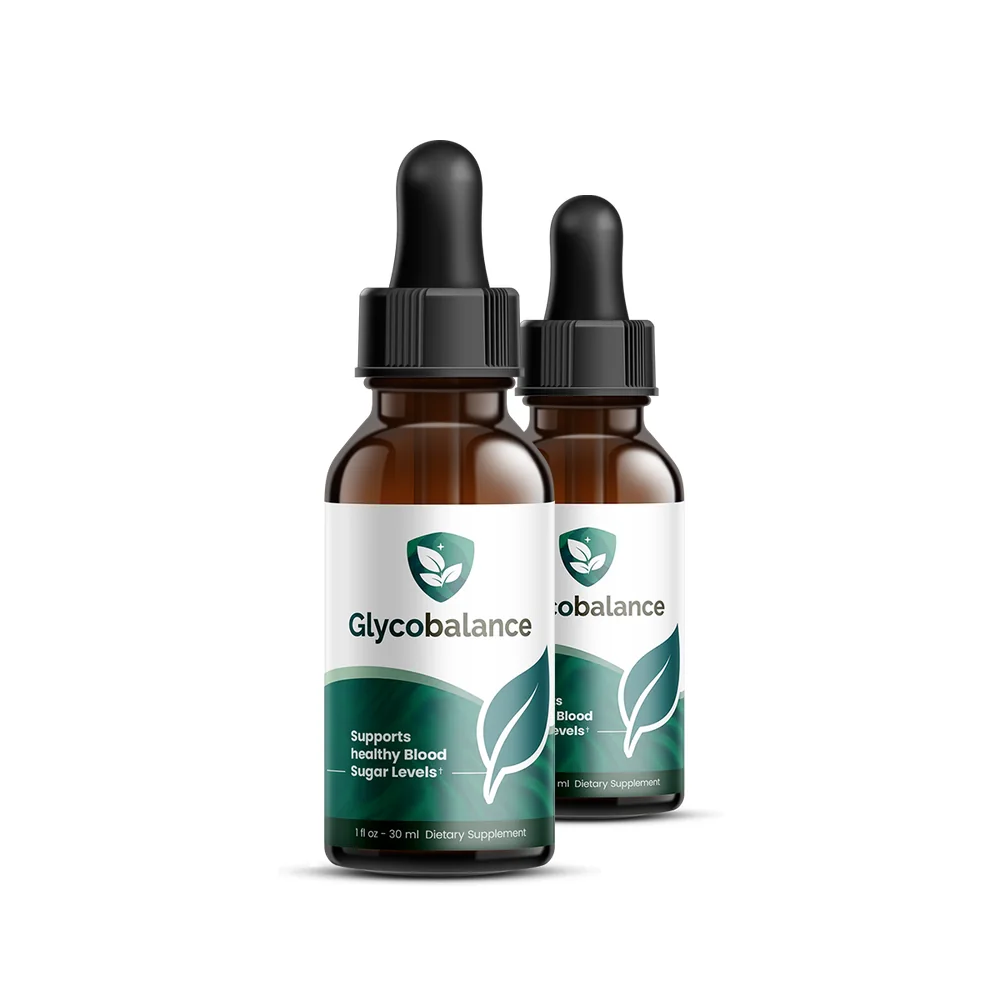
If you are weighing berberine, take the exact per-serving amount to your clinician. GlycoBalance lists its berberine and every other ingredient openly so you can have that conversation with real numbers.
Order Now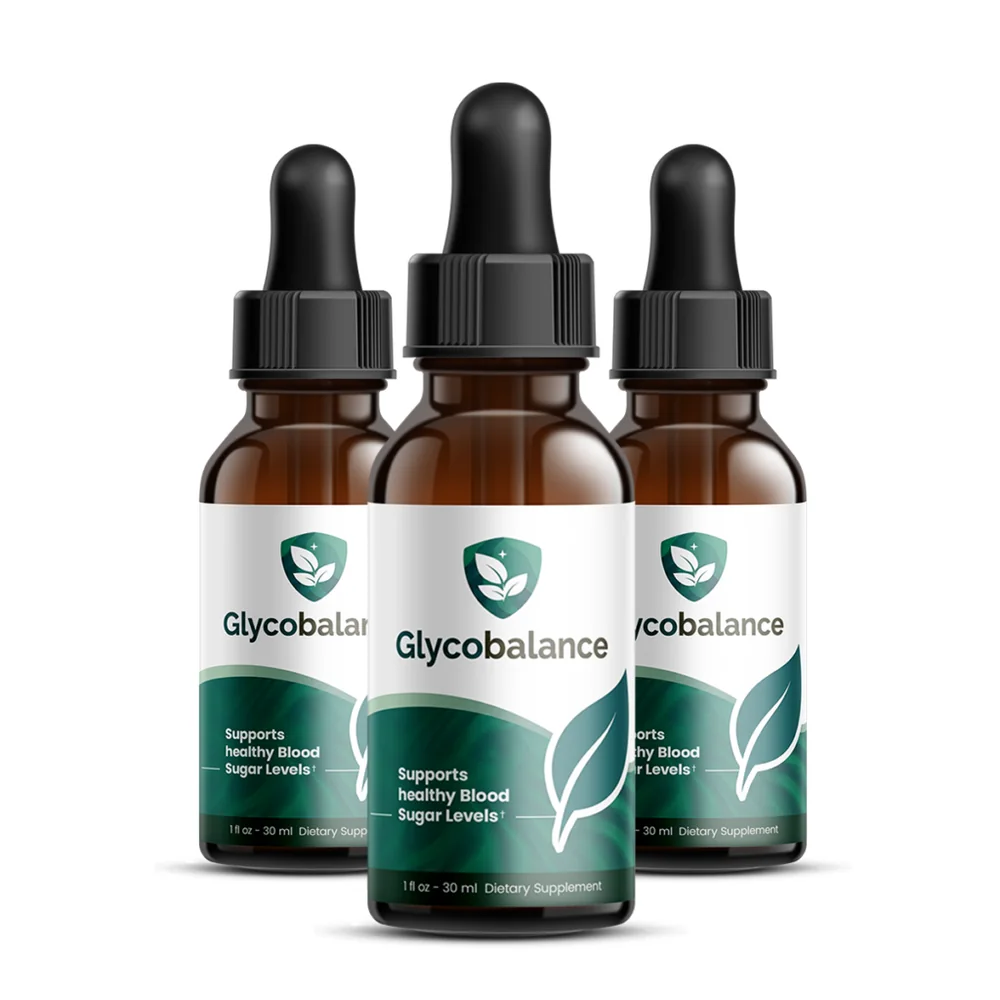
Frequently asked questions
What medications interact with berberine?
Berberine inhibits liver enzymes in the CYP450 family and a transporter called P-glycoprotein, so it can raise levels of drugs cleared that way. Reported concerns include some statins, blood thinners, blood pressure and heart-rhythm drugs, immune-suppressants like cyclosporine, and other glucose-lowering medicines. Because the list is long and dose-dependent, have a pharmacist check your specific medications before you start.
Can berberine cause low blood sugar with metformin?
It can. Berberine and metformin both lower glucose, and taken together they may drop blood sugar further than intended, especially if you also cut carbohydrates or exercise more. Watch for shakiness, sweating and confusion, monitor your levels closely, and only combine them under the guidance of the doctor who manages your medication.
Is berberine safe during pregnancy?
No. Berberine is not recommended in pregnancy or while breastfeeding. It can cross the placenta and has been linked to a risk of jaundice in newborns, and there is not enough safety data to support its use during these periods. If you are pregnant, trying to conceive or nursing, avoid it and talk to your doctor about safer options.
Should I tell my doctor before starting berberine?
Yes, always. Berberine is pharmacologically active, interacts with many drugs and is not right for everyone, so it belongs in the same conversation as any medicine. Tell your doctor and pharmacist what you plan to take and at what dose, list your current prescriptions, and let them flag any combinations to avoid before you begin.