Best Time to Take a Blood Sugar Supplement (Timing That Actually Matters)
When Is the Best Time to Take a Blood Sugar Supplement?
For most people, take glucose-support ingredients with or just before your largest meals. Berberine and fiber work on the post-meal spike, so meal timing matters, and splitting the dose across two or three meals suits berberine's short half-life while easing stomach upset. Consistency day to day matters more than any single perfect moment.
- With meals: take berberine and fiber-based ingredients with food to target post-meal glucose and reduce GI upset.
- Split the dose: berberine clears quickly, so two or three smaller doses hold levels better than one large one.
- Stay consistent: the same routine every day beats chasing a perfect hour on the clock.
Whether a blood-sugar supplement does anything at all comes down to two things: the ingredients inside it and the doses they are used at. But there is a quieter third factor that gets ignored on most sales pages, and it is the one you actually control day to day — when you take it. Timing will not turn a weak formula into a strong one, yet for the ingredients that carry these products, it can be the difference between a dose that lands where it is meant to and one that mostly passes through.
This guide is about that timing. It leans on how the main ingredients behave in the body rather than on marketing, and it keeps one honest boundary in view throughout: a supplement supports healthy glucose metabolism that is already in the normal range. It is not a substitute for prescribed medication, and nothing here is a promise about your numbers.
Why timing matters at all
Most of the trouble with blood sugar happens after you eat. A meal, especially a carbohydrate-heavy one, sends a wave of glucose into your bloodstream over the following one to two hours. The ingredients people reach for — berberine, soluble fiber, cinnamon, chromium — are studied largely for how they influence that post-meal rise, either by slowing how fast glucose is absorbed or by supporting how well insulin moves it out of the blood.
That single fact reframes the whole question. If an ingredient acts on the meal, then taking it hours away from any meal is working against its own mechanism. Line the dose up with food and you give it something to act on. This is why "with your largest meal" is the default answer for most glucose-support ingredients, and why a fixed clock time, chosen for convenience alone, is often the wrong instinct.
Berberine: short half-life, split the dose
Berberine is the ingredient with the strongest human evidence in this category, and it is also the one where timing is least optional. Two features of how the body handles it drive the advice. First, berberine is cleared relatively quickly, so a single large dose peaks and then fades rather than holding a steady level through the day. Second, on an empty stomach it is a common cause of digestive upset — cramping, loose stools, nausea.
Both problems point to the same solution. The trials that produced berberine's better-known results generally used around 1000 to 1500 mg a day, but they did not give it all at once. They split it into two or three doses of roughly 500 mg, taken with meals. Splitting keeps levels steadier given the short half-life, and taking each dose with food blunts the stomach side effects while placing the dose next to the glucose rise it is meant to work on. If your product is a small once-daily serving, check how much berberine it actually delivers against that studied range — the amount matters more than the label's confidence.
Fiber and cinnamon: with the meal, every time
Soluble fiber works by physically slowing digestion and the absorption of glucose from the gut. That mechanism only exists if the fiber is in your stomach at the same time as the food, so a fiber-based ingredient taken well before or well after a meal loses most of its point. Take it immediately before or with the meal you most want to cushion.
Cinnamon is more modest than its reputation, and the human data are mixed, but where it is used it is also a mealtime ingredient rather than a between-meals one. There is no case for taking cinnamon on its own schedule. If it is in your formula, it rides along with the meal dose like everything else.
Chromium and the morning-versus-night question
Chromium is a trace mineral that supports the action of insulin, and it is more forgiving about timing than berberine or fiber. It is not tied tightly to a single meal, and its evidence is strongest in people whose intake is genuinely low. Taking it with a meal is still sensible, mostly because it is gentler on the stomach and easier to remember when attached to an existing habit.
That points to the real answer to the popular "morning or night?" question: there is no universal winner. The right time is the one that matches your eating pattern and that you will actually keep to. If dinner is your largest, most carbohydrate-dense meal, an evening dose lines up with the biggest glucose rise of your day. If lunch holds that role, take it then. What the evidence does not support is obsessing over a specific hour while ignoring which meal you pair the dose with.
A simple timing template
| Ingredient | When to take it | Why |
|---|---|---|
| Berberine | With meals, split into 2-3 doses | Short half-life; reduces stomach upset; matches the post-meal rise |
| Soluble fiber | Immediately before or with the meal | Only slows glucose absorption if present with food |
| Ceylon cinnamon | With the meal | Mealtime ingredient; modest, supporting role |
| Chromium | With any regular meal | Flexible; take it when you will remember it |
What a once-daily liquid changes
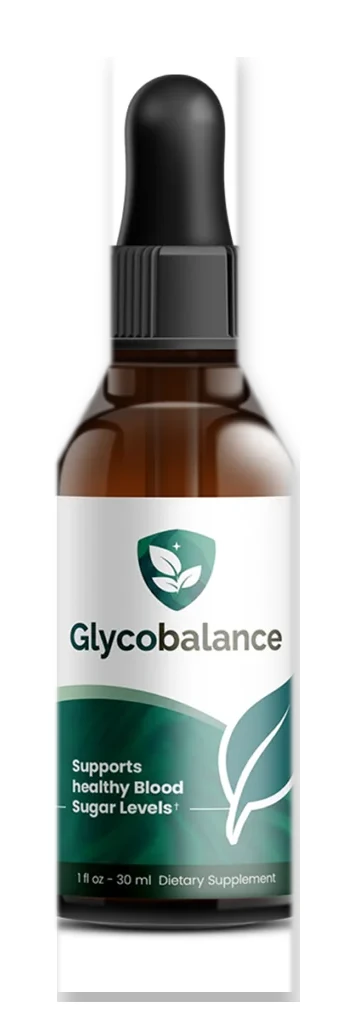
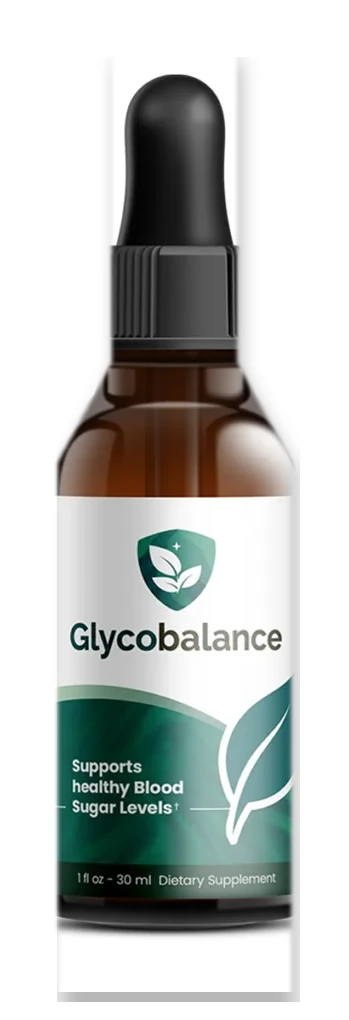
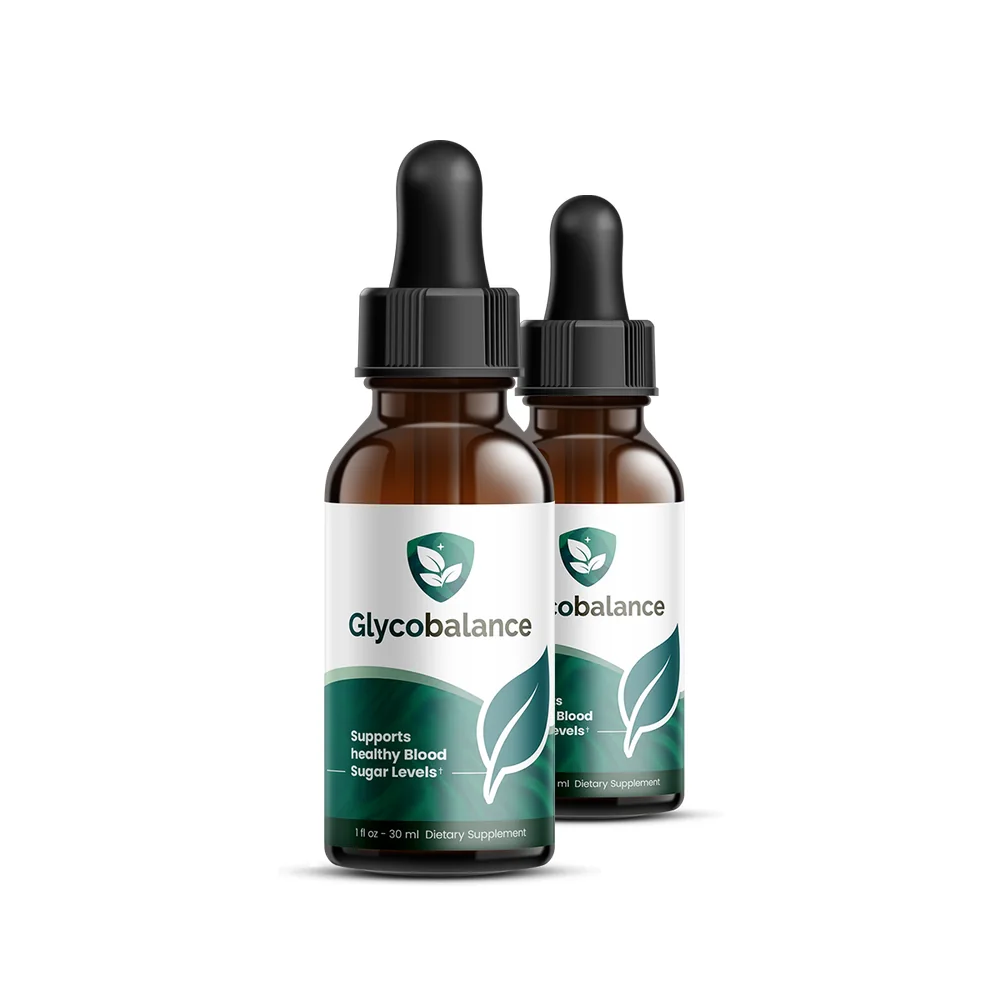
Plenty of glucose-support products, GlycoBalance among them, are sold as a single daily liquid dose rather than capsules you split across the day. That format is built for adherence — one dose is far easier to remember than three — and adherence, as we will see, is where most of the real-world benefit lives. The trade-off is that a once-daily serving cannot mimic the split-dosing pattern berberine was studied under, so it will not hold berberine levels as steadily through the day.
That is not a reason to dismiss the format; it is a reason to be clear-eyed about it. If you use a once-daily liquid, take it with your largest meal to get the most overlap between the dose and your biggest glucose rise, and judge the product on the honest per-serving amounts it lists rather than on the assumption that one serving equals a full research dose. The best format is ultimately the one you will take every single day.
Before or during the meal?
For fiber and berberine, either immediately before or with the meal works, and the gap between the two is tiny compared with the gap between "near the meal" and "hours away from it." Taking a dose a few minutes before eating gives fiber a slight head start on slowing absorption, while taking it mid-meal is easier to remember and just as reasonable. Do not overthink this window; land the dose somewhere around the meal and you have captured the timing that matters.
Three common timing mistakes
Most timing errors are variations on one theme: separating the dose from the food it is meant to act on. The three that come up most often are worth naming directly.
- Taking it first thing on an empty stomach because it feels tidy — which invites stomach upset from berberine and misses your meals entirely.
- Saving the whole day's berberine for one big dose to "make it count," when splitting it is what the evidence actually supports.
- Chasing a magic hour from a headline while eating your largest meal at a completely different time, so the dose never meets a real glucose rise.
Fix those three and you have captured almost everything timing can offer. The rest is consistency.
Consistency beats the perfect minute
It is worth saying plainly, because it runs against how supplements are usually sold: the single most important timing decision is not which hour you pick but whether you take the dose at all, every day, in roughly the same way. Ingredients like these are studied over 8 to 12 weeks of steady use, not over one well-timed dose. A slightly imperfect schedule you keep will always beat an optimal one you abandon after a fortnight.
So build the dose into something you already do without fail — your main meal, most reliably eaten. Pair it there, split berberine across the day if your product and clinician support it, and then stop thinking about it. The point of timing is to remove friction and match mechanism to meal, not to add a new source of daily stress.
Before you change anything
Two cautions carry more weight than any timing tip. If you take medication for blood sugar or anything else, do not add a glucose-affecting supplement on your own — the combination can push blood sugar too low, and berberine in particular changes how the liver clears several drugs. And if you are pregnant, breastfeeding or managing a diagnosed condition, this is a conversation for a clinician, not a decision for an article. Get the safety piece settled first; the timing is the easy part after that.
Medical note: this article is general information about timing, not medical advice or a dosing prescription. Berberine interacts with several medications and can lower blood sugar, so anyone taking glucose-lowering drugs should agree a plan with their doctor before starting or changing a supplement.
Scientific references
A formula built around a simple daily routine
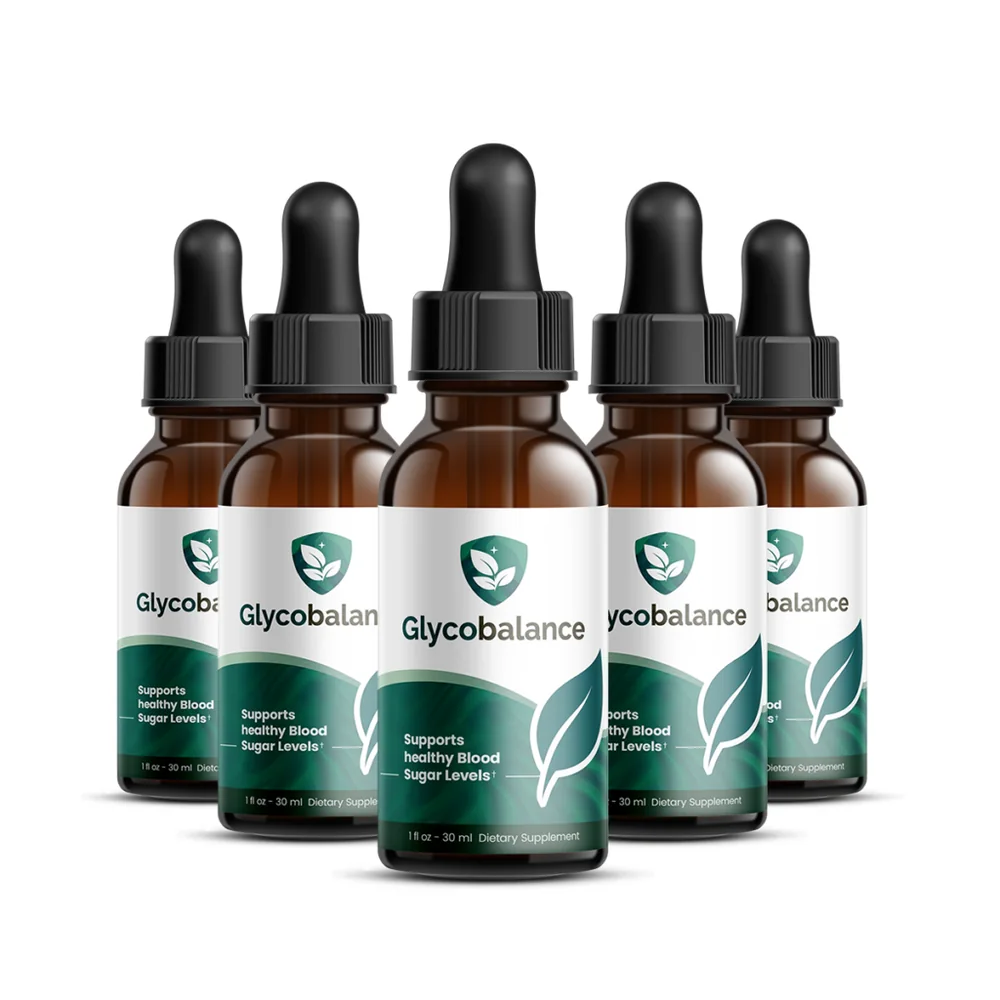
GlycoBalance puts its berberine, Ceylon cinnamon, chromium and supporting botanicals into one daily liquid — with every ingredient and its per-serving amount laid out so you can plan your timing.
Order Now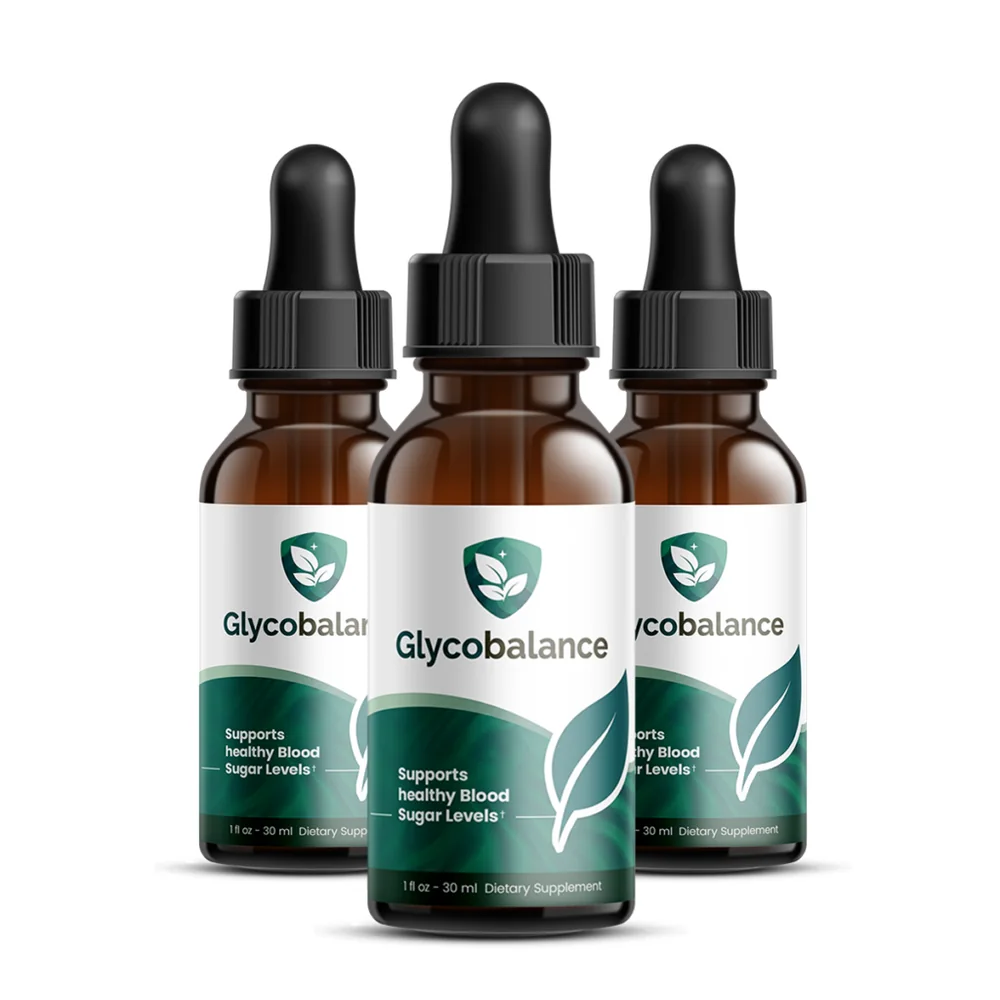
Frequently asked questions
Should I take berberine with food?
Yes, most people tolerate berberine best when it is taken with a meal or right after eating. Food slows absorption a little and reduces the cramping, loose stools and nausea that berberine can cause on an empty stomach. Taking it with your largest, most carbohydrate-heavy meal also lines the dose up with the post-meal glucose rise it is studied to blunt.
Is it better to take blood sugar supplements morning or night?
It depends on the ingredient and your own pattern. Ingredients that act on meals, like berberine and fiber, are best matched to when you actually eat rather than to a fixed hour. If your largest meal is dinner, an evening dose makes sense; if it is lunch, take it then. Consistency from day to day matters more than choosing morning over night.
Can I take my supplement with my medication?
Not without checking first. Glucose-affecting supplements can add to the effect of diabetes medication and push blood sugar too low, and berberine can change how the liver processes several drugs. Ask your doctor or pharmacist before combining anything, and never stop or change a prescribed medicine on your own.
How many times a day should I dose berberine?
Trials that showed the clearest effects usually split berberine into two or three doses a day, roughly 500 mg each, taken with meals. That pattern suits its short half-life and keeps levels steadier than a single large dose, while also spreading out the digestive side effects. Follow the label on your specific product and confirm the total with your clinician.