HbA1c Explained: What Your A1c Numbers Actually Mean
Quick Answer: What Does Your HbA1c Number Mean?
HbA1c is your average blood sugar over about the last two to three months, expressed as a percentage. Below 5.7% is considered normal, 5.7% to 6.4% is prediabetes, and 6.5% or higher on two tests is used to diagnose diabetes. Because it is an average, it smooths out daily swings but also changes slowly.
- Normal: below 5.7% — roughly an average glucose under 117 mg/dL.
- Prediabetes: 5.7% to 6.4% — a signal worth acting on.
- Diabetes range: 6.5% or higher, confirmed on repeat testing.

What A1c actually measures
HbA1c — short for glycated haemoglobin — measures how much sugar has attached itself to the haemoglobin inside your red blood cells. Haemoglobin is the protein that carries oxygen, and when glucose is floating around in your bloodstream, a small fraction of it sticks to that protein in a slow, essentially permanent way. The higher your average blood sugar has been, the more of your haemoglobin ends up "sugar-coated," and the higher your A1c reads.
Because red blood cells live for roughly three months before they are replaced, the amount of glycated haemoglobin at any moment reflects your average glucose over that lifespan — weighted a little more toward the most recent few weeks. That is what makes A1c so useful: a single blood draw, no fasting required, gives a picture of months of glucose control rather than one moment in time.
The HbA1c chart
These are the standard reference ranges used by major diabetes organisations, with the estimated average glucose (eAG) that each A1c roughly corresponds to. The eAG column helps connect the percentage to the mg/dL numbers you might see on a home meter.
| Category | HbA1c | Estimated average glucose |
|---|---|---|
| Normal | Below 5.7% | Below ~117 mg/dL |
| Prediabetes | 5.7% to 6.4% | ~117 to 137 mg/dL |
| Diabetes range | 6.5% or higher | ~140 mg/dL and up |
A rough rule of thumb many clinicians use: every 1% rise in A1c corresponds to roughly a 28-29 mg/dL rise in average glucose. So a jump from 6.0% to 7.0% is not trivial — it reflects a meaningful shift in your day-to-day sugar levels.
Why A1c and finger-prick readings can disagree
People are often puzzled when their meter shows "good" numbers but their A1c comes back higher than expected, or vice versa. The two tests are simply answering different questions. A finger-prick is a snapshot — it tells you where your glucose is right now, and it moves constantly with meals, stress, exercise and sleep. A1c is the long-run average, so it captures the highs you did not happen to test and the overnight patterns you rarely measure.
If your fasting readings look fine but your A1c is elevated, the usual explanation is post-meal spikes: glucose that climbs after eating, then settles before your next test. That is exactly the kind of pattern a spot check misses and an average catches, which is why the two tests are most informative together rather than in competition.
Why diet and supplements take a full quarter to show up
This is the single most important thing to understand about A1c, and the most common source of frustration. Because the number reflects the average life of your red blood cells, a change you make today does not rewrite it overnight. If you overhaul your diet, start walking after meals, or add a glucose-support supplement, the A1c you measure two weeks later still contains months of your old numbers baked in.
A realistic timeline looks like this: the first few weeks of any change begin to affect your daily glucose, but the A1c only partly reflects it. By around eight to twelve weeks, enough of your red blood cells have turned over that the number more honestly reflects your new normal. This is why retesting A1c a month after a change is usually pointless — you are measuring a blend of before and after. It is also why any product promising to "drop your A1c in days" is making a claim that is biologically impossible; the marker itself cannot move that fast.
For anyone trying an ingredient with real evidence — berberine is the classic example — this means committing to a full quarter and one clean before-and-after measurement, rather than chasing weekly changes. And it means keeping expectations honest: the trial data for these ingredients describe modest, supportive effects, not dramatic reversals, and a supplement is not a treatment for diabetes.
What can throw an A1c off
A1c is robust, but it is not infallible. Because it depends on red blood cells, anything that changes how long those cells live or how much haemoglobin you have can distort the result. Situations that can make A1c read falsely high or low include:
- Anaemia, especially iron-deficiency or after recent blood loss.
- Certain haemoglobin variants, which are more common in some ancestries.
- Recent transfusion, pregnancy, or conditions that shorten red-cell lifespan.
- Some kidney and liver conditions.
If your A1c seems wildly out of step with your daily readings, this is worth raising with your clinician, who may confirm with a fasting glucose or an oral glucose tolerance test instead.
What A1c does not tell you
For all its usefulness, A1c is a single averaged number, and averages hide detail. Two people can share an identical A1c of 6.2% while living very different days: one holds steady around that level most of the time, while the other swings between high spikes after meals and lows in between that cancel out on paper. That variability — the size and frequency of the peaks and dips — is something a quarterly average simply cannot show. It is why clinicians increasingly pair A1c with day-to-day data, whether from finger-prick logs or continuous glucose monitors that report "time in range."
The practical lesson is not to distrust A1c, but to treat it as one instrument in the panel rather than the whole picture. If your average looks fine but you feel the classic rollercoaster of energy crashes after meals, your daily readings may tell a story the A1c is quietly averaging away. Both views together are more honest than either alone.
How often should you test?
For someone with stable, in-range glucose, testing A1c about twice a year is a common recommendation. When treatment has just changed, or numbers are off target, roughly every three months makes sense — and that quarterly rhythm matches the biology neatly, since it is about how long a real change needs to fully register. Testing more often than that rarely adds information; you would mostly be measuring noise.
Medical note: this article is general information, not medical advice. A1c results should be interpreted by a healthcare professional alongside your history and other tests. Do not start, stop or change any medication or supplement based on an A1c number alone.
Scientific references
Thinking in quarters, not days
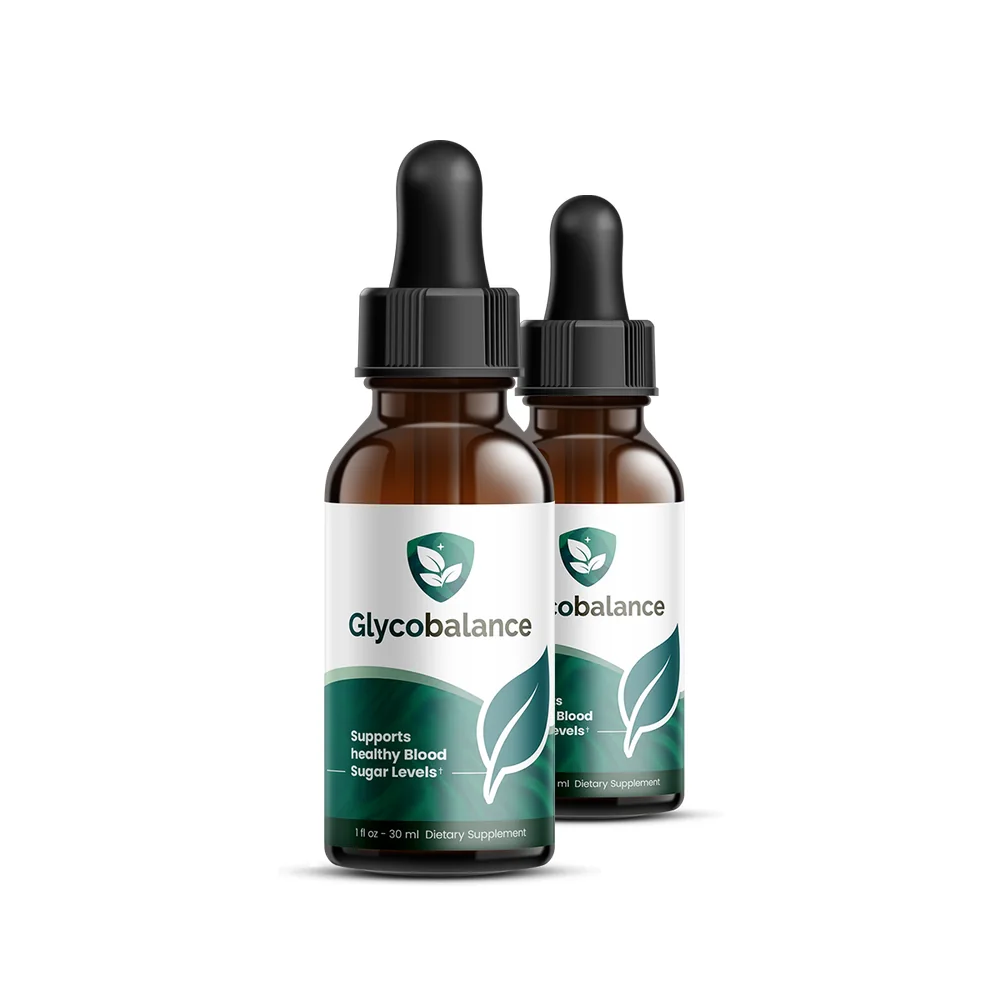
GlycoBalance pairs berberine, Ceylon cinnamon, chromium and supporting botanicals in a once-daily liquid — a support option to run alongside diet and movement over a full three-month window.


Frequently asked questions
What is a good HbA1c number?
For people without diabetes, an HbA1c below 5.7% is considered normal. 5.7% to 6.4% is the prediabetes range, and 6.5% or higher on two tests is used to diagnose diabetes. For many people already diagnosed, clinicians often aim for under 7%, but individual targets vary with age, health and other factors.
How is A1c different from a finger-prick reading?
A finger-prick shows your blood sugar at a single moment, so it swings with meals, stress and activity. HbA1c reflects your average glucose over roughly the past two to three months by measuring how much sugar is attached to your red blood cells. The two tests answer different questions and are most useful together.
How often should A1c be tested?
It depends on your situation. Guidelines commonly suggest testing at least twice a year when glucose is stable and in range, and about every three months when treatment has changed or numbers are off target. Because A1c reflects a two-to-three-month average, testing more often than quarterly rarely adds useful information.
Can supplements lower HbA1c?
Some ingredients, such as berberine, have trial data linking them to modest improvements in glucose markers, but a dietary supplement is not a treatment for diabetes and results are not guaranteed. Because A1c is a quarterly average, any real change takes a full two to three months to appear. Discuss supplements with your clinician first.