Fasting Blood Sugar: The Normal Range Chart, Explained
Quick Answer: What Is a Normal Fasting Blood Sugar Level?
For most adults without diabetes, a normal fasting blood sugar sits below 100 mg/dL. Readings of 100 to 125 mg/dL fall in the prediabetes range, and 126 mg/dL or higher on two separate tests points toward diabetes. One high number is not a diagnosis, so retest under good conditions and talk with your clinician.
- Normal: under 100 mg/dL (5.6 mmol/L) after 8+ hours fasting.
- Prediabetes: 100-125 mg/dL — a warning sign, often reversible.
- Diabetes range: 126 mg/dL or higher, confirmed on a repeat test.
What "fasting" actually means
A fasting blood sugar test measures the glucose in your blood after your body has gone without food for a stretch of time — usually at least eight hours. The idea is to catch your glucose at its baseline, when no recent meal is pushing it up. That baseline is one of the most useful single numbers in metabolic health, because it reflects how well your body manages sugar when it is not being actively challenged by a meal.
"Fasting" is stricter than most people assume. It means no food and no calorie-containing drinks — that includes juice, milk in your coffee, and the handful of nuts you grabbed on the way out the door. Plain water is fine and actually encouraged, because mild dehydration can nudge a reading upward. Most people test first thing in the morning, before breakfast, which is why fasting glucose and "morning blood sugar" are often used to mean the same thing.
The fasting blood sugar chart
Here are the standard reference points used by major diabetes organisations. They apply to fasting plasma glucose in adults who are not pregnant. Note that these are population thresholds, not personal verdicts — your clinician interprets them alongside your history, symptoms and other tests.
| Category | Fasting glucose (mg/dL) | Fasting glucose (mmol/L) |
|---|---|---|
| Normal | Below 100 | Below 5.6 |
| Prediabetes (impaired fasting glucose) | 100 to 125 | 5.6 to 6.9 |
| Diabetes range | 126 or higher | 7.0 or higher |
How the categories are defined
The 100 mg/dL and 126 mg/dL cut-offs are not arbitrary. They come from large studies linking fasting glucose to the later risk of diabetes-related complications, and they were chosen as practical dividing lines. The prediabetes band in the middle is the part worth paying attention to: it is the stage where the body's glucose handling has drifted but has not settled into a diagnosis, and it is the window where diet, movement, sleep and weight changes tend to have the most leverage. A diabetes-range reading, by contrast, is meant to be confirmed with a second test on a different day before any conclusion is drawn.
Why a single reading can mislead
Fasting glucose feels precise — a number on a meter or a lab report — but it is more variable than people expect. The same person can produce readings that differ by 10, 20 or more mg/dL from one morning to the next, without anything meaningful having changed. Several everyday factors move the needle:
- Poor or short sleep. A single bad night can raise next-morning glucose by blunting insulin sensitivity.
- Stress. Physical or emotional stress raises cortisol and adrenaline, both of which push glucose up.
- The dawn phenomenon. A natural pre-waking hormone surge tells the liver to release glucose (more on this below).
- Illness or infection. Even a cold can temporarily raise blood sugar.
- Dehydration. Less water in the blood concentrates the glucose that is there.
- An unusually late or large dinner. What you ate the night before still echoes into the morning.
- Meter and technique differences. Home meters have a margin of error, and finger-prick technique matters.
The practical takeaway is simple: judge trends, not single data points. One reading of 104 mg/dL after a stressful, sleepless night is not the same story as a steady run of 110s over two weeks.

The dawn phenomenon and morning highs
One of the most common surprises is a fasting reading that is higher than the number you saw after last night's dinner. This is usually the dawn phenomenon at work. In the hours before you wake, the body releases a coordinated pulse of hormones — cortisol, growth hormone and others — that prompt the liver to pour some stored glucose into the blood, essentially getting you ready to move. In people whose insulin response is robust, this barely registers. In people with drifting glucose control, the same surge can leave a noticeably higher morning number. It is a normal biological rhythm expressing itself, not a sign that you "did something wrong" overnight.
How to get a cleaner fasting reading
If you are tracking fasting glucose at home, a few habits make your numbers more comparable and less noisy:
- Test at roughly the same time each morning, before coffee and before activity.
- Keep the same fasting window — aim for the eight-to-twelve-hour range your clinician suggests.
- Drink a glass of water when you wake to counter overnight dehydration.
- Wash and dry your hands first; food residue or hand sanitiser on a fingertip can distort a reading.
- Log the context — sleep, stress, illness, an unusually late meal — so an outlier makes sense later.
None of this changes your underlying metabolism; it just removes the noise so the signal is easier to read.
Where habits and support fit in
If your fasting numbers are creeping into the prediabetes band, the highest-value moves are unglamorous and well-established: more fibre and fewer refined carbohydrates, regular movement (a walk after meals is genuinely useful), better sleep, and losing a modest amount of weight if that applies to you. Some people also choose a glucose-support supplement built around ingredients such as berberine, chromium and Ceylon cinnamon. The honest framing is that these are studied for supporting glucose metabolism that is already in or near the normal range — they are an optional add-on to the basics, not a replacement for them and not a treatment for diabetes.
When to see a clinician
A fasting reading in the prediabetes or diabetes range, or a pattern of rising numbers, is worth a conversation with a healthcare professional. They can confirm with a repeat fasting test, add an HbA1c to see your longer-term average, and rule out the odd non-glucose reasons a reading can be off. This is especially important if you have symptoms such as unusual thirst, frequent urination or unexplained fatigue — those deserve prompt attention rather than more home testing.
Medical note: this article is general information, not medical advice, and the ranges here are not a diagnosis. Blood sugar results should be interpreted by a healthcare professional who knows your history. Do not start, stop or change any medication or supplement based on a home reading.
Scientific references
Supporting healthy glucose, sensibly
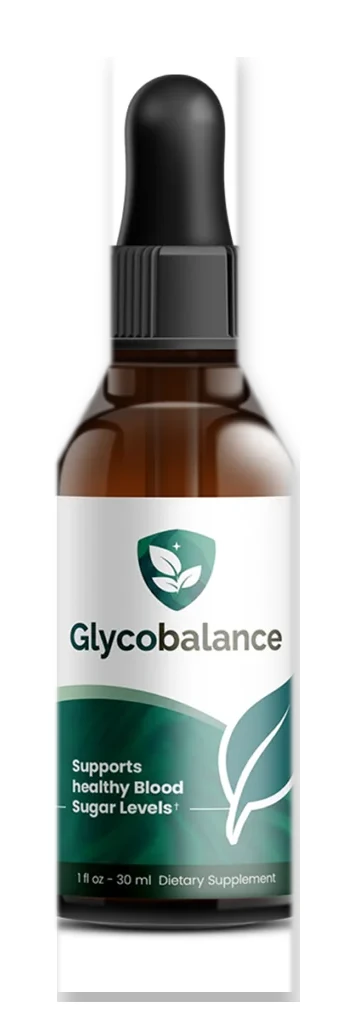
GlycoBalance pairs berberine, Ceylon cinnamon, chromium and supporting botanicals in a once-daily liquid — for glucose metabolism already in the normal range, alongside the diet and movement basics.


Frequently asked questions
What is a normal fasting blood sugar level?
For adults who do not have diabetes, a fasting blood sugar under 100 mg/dL (5.6 mmol/L) is considered normal by most guidelines. This is measured after at least eight hours without food or calorie-containing drinks. A normal result on one day does not rule out glucose problems entirely, which is why clinicians look at trends and often add an HbA1c test.
What fasting number means prediabetes?
A fasting blood sugar of 100 to 125 mg/dL (5.6 to 6.9 mmol/L) falls in the prediabetes range, sometimes called impaired fasting glucose. It is a signal, not a diagnosis of diabetes, and it is often reversible with changes to diet, activity, sleep and weight. Confirm it with a repeat test and your clinician.
Why is my fasting glucose higher than after meals?
It sounds odd, but a morning fasting reading can be higher than a post-meal one because of the dawn phenomenon: overnight, hormones such as cortisol and growth hormone prompt the liver to release glucose to prepare you for waking. Poor sleep, stress and the timing of your last meal can amplify this effect.
How many hours of fasting do I need before testing?
Standard fasting glucose tests require at least eight hours with no food or calorie-containing drinks; water is fine. Many labs prefer eight to twelve hours. Fasting much longer than twelve hours is not more accurate and can occasionally push the reading in unexpected directions, so follow the window your clinician or lab specifies.