How to Reverse Prediabetes Naturally: The Steps That Actually Work
Quick Answer: Can You Reverse Prediabetes Naturally?
Yes, prediabetes is often reversible when caught early. The proven approach is lifestyle change: losing about 5 to 7 percent of body weight, eating more fiber, moving daily and sleeping well. In the landmark Diabetes Prevention Program, this cut progression to type 2 diabetes by 58 percent, outperforming medication for most people.
- Biggest lever: modest weight loss (~7% of body weight) drove most of the benefit.
- Prediabetes range: HbA1c 5.7-6.4% — above normal, below diabetes, often reversible.
- Key caveat: lifestyle first; supplements are optional support, not a treatment.
What prediabetes actually means
Prediabetes is a warning light, not a diagnosis of disease. It means your blood-sugar markers have crept above normal but have not yet crossed into type 2 diabetes. In practice, clinicians usually define it by an HbA1c of 5.7 to 6.4 percent, a fasting glucose of 100 to 125 mg/dL, or an elevated result on a glucose tolerance test. Underneath those numbers is usually insulin resistance: your cells have become less responsive to insulin, so your pancreas has to work harder to keep glucose in range, and eventually it starts to fall behind.
The important and genuinely hopeful part is that this is a stage, not a sentence. Because prediabetes reflects a metabolic state rather than permanent damage, it can move in both directions — and early on, the odds of moving it back toward normal are good. That is not marketing optimism; it comes from one of the best-run trials in the field.
The evidence: the Diabetes Prevention Program
The reason we can talk about “reversing” prediabetes with a straight face is the Diabetes Prevention Program (DPP), a large US randomised trial of adults at high risk. It compared an intensive lifestyle program against the diabetes drug metformin and against placebo. The headline result was striking: the lifestyle group reduced their progression to type 2 diabetes by about 58 percent compared with placebo — and it beat metformin, which reduced risk by roughly 31 percent. Follow-up studies over many years showed the benefit persisted long after the program ended.
What did the lifestyle group actually do? Nothing exotic. They aimed for about 7 percent weight loss and at least 150 minutes of moderate activity a week, supported by coaching on food and habits. That combination — not a pill, not a superfood — produced the biggest effect ever demonstrated for preventing the slide into diabetes. Everything below is built on that finding.
Step 1: Aim for modest weight loss
This is the single most powerful lever, and the good news is you do not need to reach an “ideal” weight. The DPP target was around 7 percent of body weight — roughly 12 to 15 pounds for someone weighing 200 — and that modest amount delivered most of the benefit. Fat stored around the abdomen and liver is especially tied to insulin resistance, so losing weight from the middle tends to improve glucose out of proportion to the number on the scale. The practical goal is a slow, sustainable deficit you can maintain, because weight regained tends to bring the risk back with it.
Step 2: Build meals around fiber and protein
How you eat matters as much as how much. Soluble fiber — from beans, lentils, oats, vegetables, nuts and fruit — forms a gel in the gut that slows carbohydrate digestion and blunts the post-meal glucose spike, while also improving satiety so the weight-loss step gets easier. Pairing carbohydrates with protein and healthy fat does the same thing from a different angle. The pattern that shows up again and again in the research is unglamorous: more whole plants, more fiber, fewer refined-carbohydrate and sugar-sweetened calories. You do not need a named “diet” so much as a durable shift in what fills your plate.

Step 3: Move most days — and after meals
The DPP goal of 150 minutes a week of moderate activity is the well-known target, and it is worth hitting. But there is a smaller, sharper habit worth adding: a short walk after eating. Working muscles pull glucose out of the bloodstream without needing much insulin, so even a 10-to-15-minute walk after your largest meals can meaningfully flatten the spike. Resistance training earns its place too, because more muscle means a bigger “sink” for glucose and better insulin sensitivity over time. The best routine is the one you will repeat; consistency beats intensity here.
Step 4: Protect your sleep and manage stress
This is the step people skip, and it is a mistake. Short or poor-quality sleep raises stress hormones like cortisol and worsens insulin resistance, so a run of bad nights can push your glucose up even if your diet is unchanged. Chronic stress does the same thing through the same hormonal pathway. Treating seven-plus hours of sleep and some form of stress management as non-negotiable parts of the plan — not optional extras — supports every other step and is completely free.
The core levers, ranked by evidence
| Step | What it does |
|---|---|
| Modest weight loss (5-7%) | The strongest lever; drove most of the DPP benefit |
| Fiber & protein at meals | Blunts post-meal spikes, improves satiety and weight loss |
| Daily movement + post-meal walks | Muscles clear glucose; improves insulin sensitivity |
| Adequate sleep & stress control | Lowers cortisol-driven insulin resistance; free to do |
| Supplements | Optional support at the margins, not a substitute |
Where supplements fit — and where the evidence stops
It would be dishonest to pretend a supplement is the answer here, because the trial that defines this whole topic tested behaviour, not pills. Ingredients such as berberine, chromium or soluble fiber may offer modest support around the edges, but they are add-ons to the four steps above, not replacements for them. Put your energy into weight, food, movement and sleep first; consider a supplement only as a small supporting habit, and only after talking to your doctor — especially if you take any medication, because combining glucose-lowering effects can push blood sugar too low.
Two honest limits. First, “reversal” is not guaranteed and is most achievable early; the longer prediabetes has been present and the higher the numbers, the harder it works. Second, prediabetes should be managed with a clinician who can retest your HbA1c and personalise the plan. Nothing here diagnoses, treats or cures disease — it is general information about well-studied lifestyle change.
Medical note: this article is general information, not medical advice. If you have prediabetes, work with a healthcare professional who can retest your numbers, and speak to them before starting any supplement, especially if you take medication.
Scientific references
Related reading
- Insulin resistance diet: the foods list that helps
- HbA1c explained: what the numbers actually mean
- Walking after meals to lower blood sugar
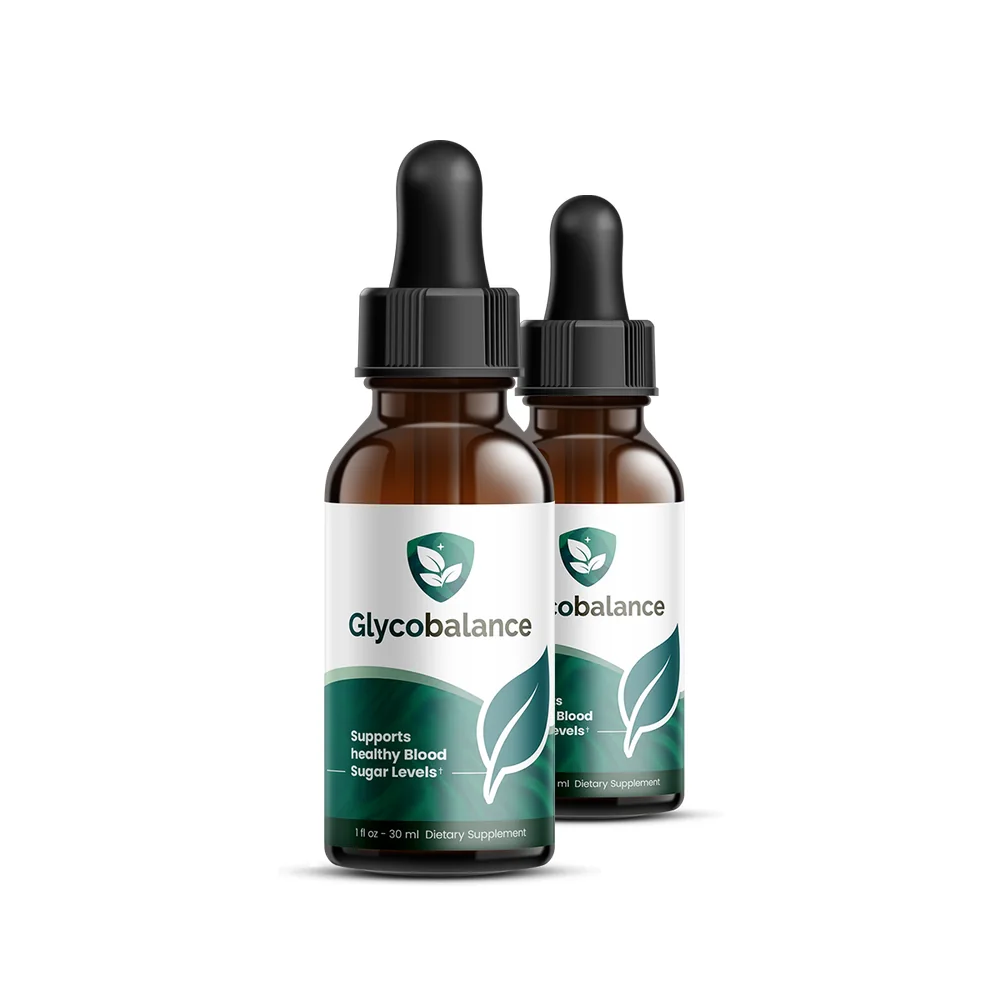
Building glucose-friendly habits? See how GlycoBalance fits
Berberine, Ceylon cinnamon, gymnema, banaba and chromium in one daily liquid — a supporting habit alongside diet, movement and sleep.


Frequently asked questions
Can prediabetes really be reversed?
Often, yes, especially when it is caught early. Prediabetes means blood-sugar markers are above normal but below the diabetes threshold, and for many people that shift is not permanent. In the Diabetes Prevention Program, lifestyle change cut progression to type 2 diabetes by about 58 percent, and many participants returned to normal glucose. It is not guaranteed, but early prediabetes is frequently reversible with sustained changes.
How much weight loss reverses prediabetes?
Modest loss does a lot. The Diabetes Prevention Program targeted about 7 percent of body weight, roughly 12 to 15 pounds for a 200-pound adult, and that alone drove most of the benefit. You do not need to reach an ideal weight; losing 5 to 7 percent and keeping it off improves insulin sensitivity meaningfully. Losing weight from around the waist appears especially helpful for glucose.
How long does it take to reverse prediabetes?
Expect months, not weeks. Because HbA1c reflects roughly the past three months of blood sugar, it takes about that long to see a fair change in the number, and most structured programs run six months to a year. Day-to-day glucose can improve within weeks of better eating, movement and sleep, but the durable, measured reversal is a gradual process built on consistency.
Do I need supplements or just lifestyle changes?
Lifestyle change is the proven foundation, and no supplement replaces it. Weight loss, fiber, regular movement and adequate sleep are what the trials actually tested. Some ingredients may offer modest support around the edges, but they are optional add-ons, not the treatment. Put your effort into the lifestyle levers first, and discuss any supplement with your doctor, particularly if you take medication.