Stress and Blood Sugar: How Cortisol Shifts Your Glucose
Quick Answer: How Does Stress Affect Blood Sugar?
Stress raises blood glucose because adrenaline and cortisol instruct the liver to release stored sugar and to manufacture more, while cortisol simultaneously makes muscle and fat tissue less responsive to insulin. That combination is useful for a short emergency and unhelpful when the pressure never lets up, which is why stress and blood sugar track together across a hard week. The fix is behavioural, not pharmacological: sleep, movement and structured recovery.
- Fast route: adrenaline triggers glycogen breakdown within minutes.
- Slow route: cortisol drives new glucose production and blunts insulin sensitivity for hours.
- Key caveat: no supplement has been shown to stop the glucose response to stress.

What happens in the body when you are stressed
The stress response is not one system but two, running on different clocks. The fast one is the sympathetic nervous system, which releases adrenaline within seconds. Adrenaline tells the liver to break down glycogen, its stored form of glucose, and dump the result into the bloodstream. It also tells the pancreas to hold back insulin briefly. The evolutionary logic is obvious: if something is chasing you, muscle needs fuel now, and storing it away is the wrong priority.
The slow one is the hypothalamic-pituitary-adrenal axis, which ends with cortisol released from the adrenal glands over minutes to hours. Cortisol does two things that matter here. It stimulates gluconeogenesis, the manufacture of new glucose in the liver from amino acids and glycerol, so fuel keeps arriving even when glycogen runs low. And it reduces how readily muscle and fat tissue take glucose up in response to insulin, which keeps circulating glucose available for the brain and for the tissues judged more urgent.
Put those together and you have a system designed to raise blood glucose on demand and hold it up. That is not a malfunction. It is the same machinery that gets you through a genuine emergency, and it is the reason a reading taken during a difficult phone call can be higher than one taken an hour later without a single calorie in between.
Acute versus chronic: two very different curves
An acute stressor produces a spike and a recovery. Adrenaline clears quickly, cortisol takes longer, and in a person with healthy glucose regulation the reading drifts back toward baseline within hours. Most people never notice, because the whole episode is invisible without a meter.
Chronic stress is a different shape entirely. When the pressure is a job, a caring responsibility or a financial situation rather than a single event, cortisol exposure stays elevated for weeks or months. Sustained cortisol is associated with reduced insulin sensitivity, with greater fat storage around the abdomen, and with appetite changes that push toward energy-dense food. There is a plausible loop here: higher glucose and higher insulin promote fat storage in the abdomen, and abdominal fat is itself metabolically active in ways that worsen insulin resistance. Our guide on the insulin resistance diet covers the eating side of that loop.
Cortisol also has a daily rhythm that overlaps with something people notice on a meter. Levels rise sharply in the hour after waking — the cortisol awakening response — and that surge tells the liver to release glucose so you can get out of bed and function. It is one contributor to the pattern we describe in our piece on the dawn phenomenon and morning blood sugar, and it explains why the fasting number is often the day's highest despite nothing having been eaten for ten hours.
Supplements work on meals, not on pressure
A glucose formula is designed to support normal metabolism around food. It is not a stress intervention, and no honest label claims to be. If you are shopping for the best blood sugar support supplement to sit alongside sleep and movement, look for a panel that publishes its amounts — which is how GlycoBalance lists berberine, Ceylon cinnamon, gymnema, banaba, bitter melon and chromium.
See the full ingredient panelWhat the research on stress and blood sugar shows
The mechanistic evidence is strong and old. Infusing cortisol or adrenaline into healthy volunteers raises blood glucose and reduces insulin sensitivity in a dose-related way; this is textbook endocrinology rather than a contested finding. Clinical medicine relies on it daily — the reason people on high-dose steroid treatment need their glucose watched is that cortisol-like drugs do exactly what cortisol does.
Laboratory stress studies extend that to psychological pressure. Put volunteers through a standardised stress task — a surprise public-speaking exercise, mental arithmetic under observation — and measurable rises in cortisol and glucose follow in most participants. The effect sizes are modest in healthy people and vary a great deal between individuals, which is a real finding rather than noise: some people mount a much larger response than others.
Where the evidence for stress and blood sugar becomes weaker is the long-run, real-world question. Cohort studies linking work stress, financial strain or depression with later metabolic problems generally find associations, but they cannot separate cortisol from everything stress drags along with it: worse sleep, less activity, more convenient food, more alcohol, less time for anything deliberate. Sleep restriction studies are the cleanest piece of that puzzle, because sleep can be manipulated experimentally, and even a few nights of short sleep reduce insulin sensitivity in healthy volunteers — a link we cover in sleep and glucose spikes.
So the honest summary is a mixed one. That acute stress raises glucose is beyond dispute. That chronic stress contributes to worse metabolic health is well supported but tangled with behaviour. And that reducing stress improves glucose markers is the least certain link of the three, because stress-reduction trials are hard to blind, hard to sustain and usually small.
| Response or intervention | How fast it acts | Effect on glucose handling | Evidence strength |
|---|---|---|---|
| Adrenaline (acute stress) | Seconds to minutes | Raises glucose via glycogen breakdown | Strong, well characterised physiology |
| Cortisol (sustained stress) | Minutes to hours | New glucose production; less insulin sensitivity | Strong mechanistic and clinical evidence |
| Sleep extension or repair | Days | Restores insulin sensitivity lost to short sleep | Good experimental data in healthy volunteers |
| Regular aerobic activity | Immediate and cumulative | Muscle takes up glucose with less insulin | Strong and consistent across trials |
| Structured relaxation or mindfulness | Weeks | Lowers perceived stress; glucose effects small | Moderate for stress, weak for glucose markers |
| Supplements marketed for stress | Claimed weeks | No demonstrated effect on stress-driven glucose | Weak; small, short, heterogeneous studies |
The indirect route matters more than people think
It is tempting to treat this as pure endocrinology, but most of the damage a stressful period does to glucose control arrives through behaviour. Stress shortens sleep and fragments it. It replaces cooking with whatever is fast. It cancels the walk, the gym session and the weekend that would have restored some capacity. It raises alcohol intake for a meaningful number of people, and alcohol interferes with both sleep architecture and liver glucose handling.
Each of those is independently capable of moving glucose readings, and they arrive together. When someone sees their numbers drift during a hard month, the cortisol contribution is real but it is rarely the largest single factor. This is good news, because behaviour is more tractable than hormones: you cannot decide to secrete less cortisol, but you can decide to walk after dinner.
Cortisol gets the headline, but the sandwich you ate at your desk, the two hours of sleep you gave up and the walk you skipped are usually doing more to your numbers than the hormone is.
What actually helps, graded by evidence
Sleep comes first. The experimental evidence that short sleep reduces insulin sensitivity in healthy adults is among the strongest in this whole area, and unlike most interventions it can be tested on yourself within a week. Protecting a consistent sleep window does more measurable good than any supplement discussed on this site.
Movement is second, and it is the fastest. Contracting muscle takes up glucose through a pathway that does not require insulin, so activity works even when cortisol has made tissue less insulin-responsive. It does not need to be a workout: ten to fifteen minutes of walking after the largest meal of the day is enough to change the shape of the post-meal curve, as our guide to walking after meals explains.
Structured relaxation practice is third. Slow breathing, progressive muscle relaxation and mindfulness programmes have reasonable evidence for reducing perceived stress and modest evidence for lowering cortisol. Their direct effect on glucose markers is small and inconsistently demonstrated, which is worth saying plainly even though the practices are cheap and low-risk.
Meal composition is fourth but useful. A stressed week is when eating patterns collapse, and a meal with protein, fibre and some fat produces a gentler curve than the refined carbohydrate people reach for under pressure. That is a habit you can decide once and repeat.
Professional support belongs on the list. Persistent stress, anxiety or low mood is a health issue in its own right, and treating it properly is more valuable than any metabolic side benefit. If pressure has been constant for months, that conversation belongs with a clinician.
Where supplements fit, and where they do not
Formulas in this category are built around meals. Berberine, cinnamon, gymnema, banaba, bitter melon and chromium are studied, with varying quality, for effects on how the body handles carbohydrate — not for how it handles pressure. No ingredient on a mainstream glucose panel has been shown to blunt the cortisol response, and any label implying otherwise is overreaching.
The adaptogen category makes stress-specific claims, and its evidence is thinner than the marketing suggests: small trials, short durations, self-reported outcomes and considerable variation in preparations. Even where an effect on perceived stress is reported, that is a different endpoint from glucose handling, and the two should not be quietly merged. If you are comparing options for the best natural blood sugar supplement, judge them on the meal-time evidence and the disclosed amounts, and treat any stress claim attached to them as unproven.
The useful mental model is one of sequencing. Sleep and movement first, because they have the strongest evidence and cost nothing. Meal structure second. A supplement last, as a support around meals, with the amounts checked against published research rather than against a headline. Reversing that order is how people end up spending money on the least powerful lever available to them.
What stress management cannot do
Being straight about limits matters here as much as anywhere. Managing stress cannot treat, cure, prevent or reverse diabetes or any other condition, and neither can any supplement. If your readings are persistently outside the normal range, the explanation may have nothing to do with stress, and delaying a proper assessment because you are working on your breathing exercises is a genuine risk rather than a hypothetical one. Our explainer on what HbA1c numbers mean is a reasonable place to understand what a doctor will actually look at.
Nor can you draw conclusions from a single stressful day and a single meter reading. Glucose responds to sleep, illness, hydration, activity, the previous meal and the measurement itself. A high number after a bad night tells you very little on its own; a pattern across a fortnight tells you more. If you use a monitor, resist reading meaning into individual peaks — our piece on continuous glucose monitors for people without diabetes covers what those traces can and cannot show.
Finally, stress reduction is not evenly available. Telling someone with a demanding job, a caring role and a difficult financial situation to relax is not advice, it is decoration. The realistic version is to protect the two levers that survive a hard period: a consistent sleep window and a short walk after the biggest meal. Both are small, both are free, and both have better evidence behind them than anything sold in a bottle for the same purpose.
Medical note: this article is general information, not medical advice. Persistent stress, low mood or blood glucose readings outside the normal range should be discussed with a qualified healthcare professional rather than self-managed.
Scientific references
- NIH NCCIH — Stress: what the science says about mind and body approaches
- NIH NHLBI — Sleep Deprivation and Deficiency
- PubMed — studies of cortisol, psychological stress and insulin sensitivity
- Harvard Health Publishing — Understanding the stress response
- Mayo Clinic — Chronic stress puts your health at risk
Related reading
- Magnesium for blood sugar: forms, dose and evidence
- The dawn phenomenon: why morning readings run high
- Sleep and glucose spikes: the overnight connection
Support around meals, while you fix the bigger levers
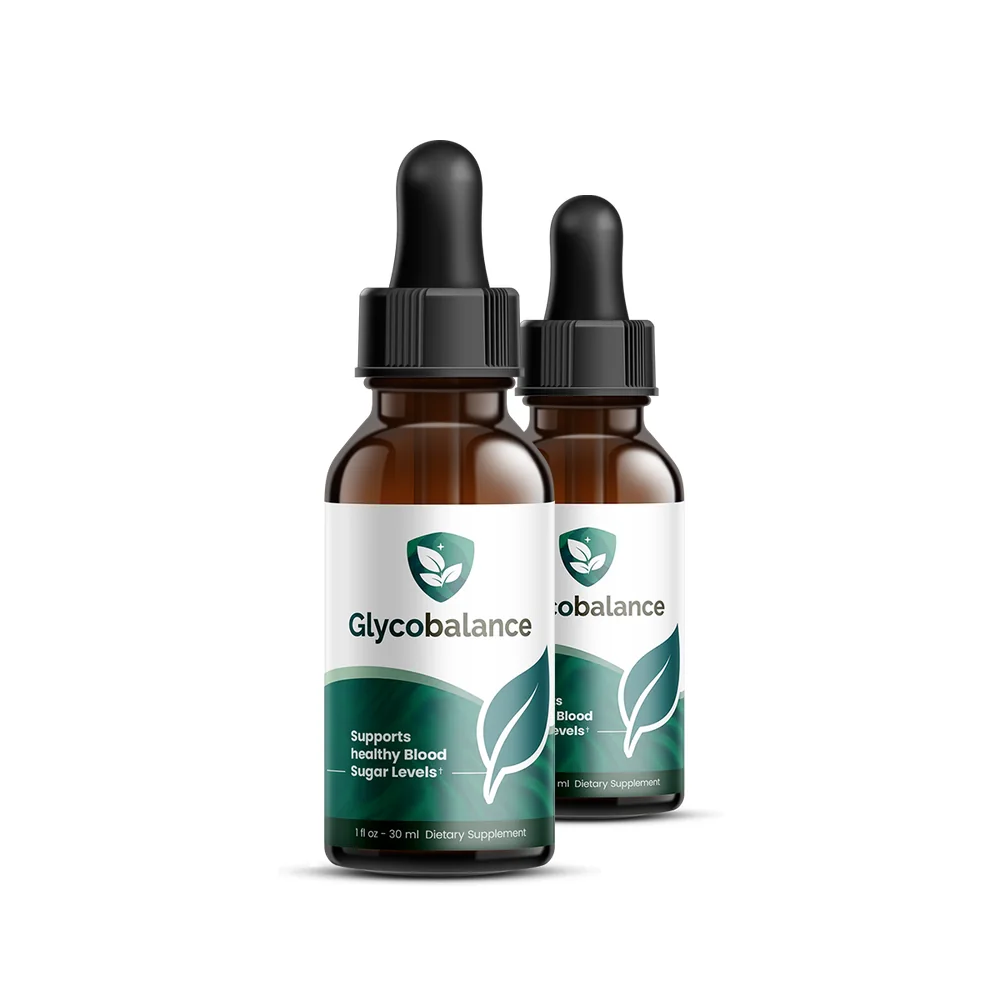
GlycoBalance puts berberine, Ceylon cinnamon, gymnema, banaba, bitter melon, chromium and alpha-lipoic acid into one daily liquid with every per-serving amount published. If you are working out where to buy GlycoBalance, the official store carries the full panel and the current pack options.
Frequently asked questions
Does stress raise blood sugar?
Yes, temporarily. Adrenaline and cortisol tell the liver to release stored glucose and to make new glucose from amino acids, and cortisol also makes tissues respond less readily to insulin. The result is a higher reading during and shortly after a stressful episode, even without eating. In people without diabetes the rise is usually modest and settles once the stressor passes.
Can stress cause a high fasting reading in the morning?
It can contribute. Cortisol rises naturally in the hour after waking, and that normal surge nudges the liver to release glucose, which is part of why morning readings are often the highest of the day. Poor sleep, a late stressful evening or an early alarm can exaggerate it. A persistently high fasting reading is worth discussing with a doctor rather than blaming on stress alone.
How long does a stress-related rise in blood sugar last?
For a short, sharp stressor such as an argument or a near miss in traffic, the adrenaline component fades within minutes to an hour and glucose typically follows. Cortisol acts more slowly and its effects can linger for several hours. Chronic stress is different again: when the stressor never lifts, the pattern can persist for as long as the pressure does.
Do supplements reduce stress-related blood sugar changes?
There is no supplement shown to blunt the glucose response to stress. Products in this category are formulated to support normal glucose metabolism around meals, not to change how the body reacts to pressure. The habits with real evidence behind them are sleep, regular movement, and structured relaxation practice, and none of them come in a capsule.