Banaba Leaf Blood Sugar Support: What Corosolic Acid Actually Does
Quick Answer: Does Banaba Leaf Support Blood Sugar?
Banaba leaf is a Southeast Asian botanical whose extract is standardised for corosolic acid, and small human trials suggest it may support a gentler rise in glucose after meals. The banaba leaf blood sugar research is thin rather than absent: the trials are short, the groups are small, and the effects reported are modest. Treat it as one supporting ingredient inside a diet-first routine, not as a lever that resets your numbers.
- Typical studied amount: about 32-48 mg daily of extract standardised to roughly 1% corosolic acid.
- Likely actives: corosolic acid plus ellagitannins such as lagerstroemin.
- Key caveat: support for glucose already in the normal range — not a treatment for any condition.
What banaba leaf actually is
Banaba is Lagerstroemia speciosa, a flowering tree that grows across the Philippines, southern India and much of tropical Southeast Asia. Western gardeners know its relatives as crape myrtle. In the Philippines the dried leaves have been brewed as a tea for generations, and that traditional use is the reason anyone started testing the plant in a laboratory in the first place. Tradition is a decent source of hypotheses; it is not evidence on its own, and the leaf earns a place in this conversation only because researchers followed up.
Two things in the leaf attracted attention. The first is corosolic acid, a pentacyclic triterpenoid present in small amounts, which turned up in early screening work as the fraction that seemed to influence glucose handling in cells. The second is a family of larger polyphenols called ellagitannins, of which lagerstroemin is the best known. Modern banaba supplements are almost always an extract rather than plain leaf powder, and they are usually described by a corosolic acid percentage on the label — 1%, 2% or sometimes far higher.
That percentage is the single most useful number on a banaba product, because it is the only thing that lets you compare what you are holding with what was actually studied. A capsule containing a large number of milligrams of unstandardised leaf tells you almost nothing; a smaller capsule standardised to a stated corosolic acid content tells you a great deal.
How banaba leaf may act on glucose
There are two proposed mechanisms worth knowing, and they behave differently in the body.
The first involves glucose transport into cells. In cell and animal work, corosolic acid appears to encourage the movement of GLUT4 transporters to the cell surface in muscle and fat tissue. GLUT4 is the doorway insulin normally opens so that glucose can leave the bloodstream and enter the cells that will burn or store it. If a compound helps that doorway open, the plausible consequence is a slightly easier clearance of glucose after a meal. This is described in the literature as an insulin-sensitising effect, and it is the mechanism most often quoted on sales pages. It is also the one most reliant on laboratory models rather than people.
The second involves carbohydrate digestion in the gut. Banaba ellagitannins have been shown in laboratory conditions to inhibit alpha-glucosidase and alpha-amylase, the enzymes that break starch and disaccharides into absorbable glucose. Slow those enzymes and the sugar from a meal arrives in the bloodstream over a longer window, which flattens the peak rather than removing it. That is the same broad principle behind viscous fibres and behind eating your vegetables before your rice, an idea covered in our guide to the best order to eat food to flatten the glucose curve.
Both mechanisms are plausible and both are measurable in a laboratory. Neither has been demonstrated at scale in humans, which is exactly the gap that separates an interesting botanical from a proven one.
Banaba is one ingredient, not the whole answer
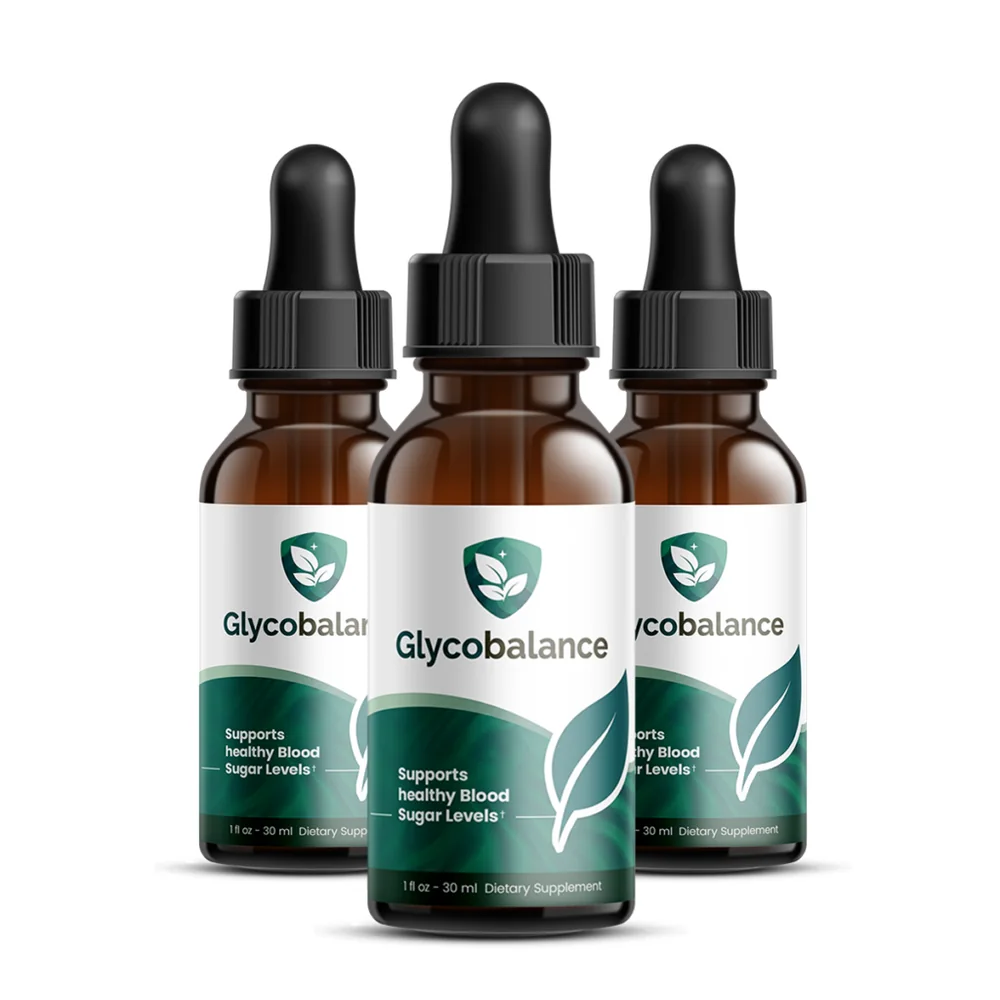
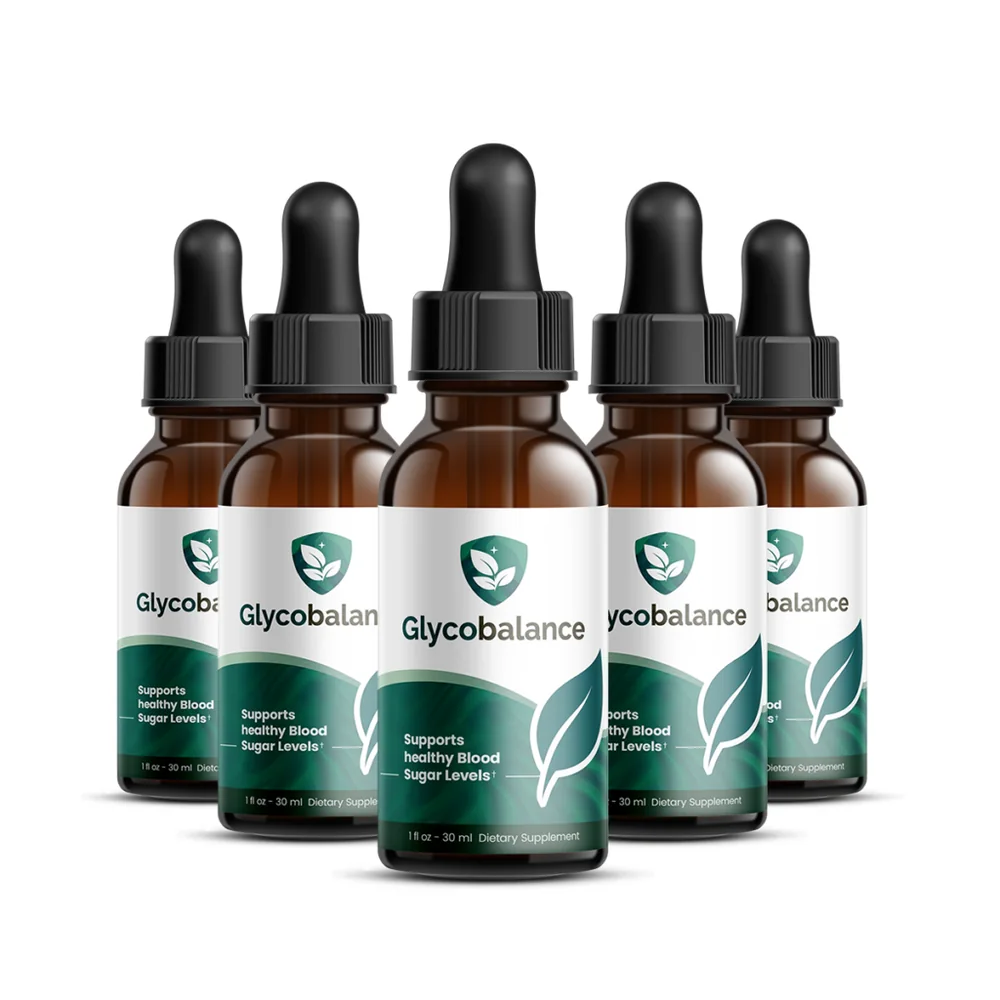
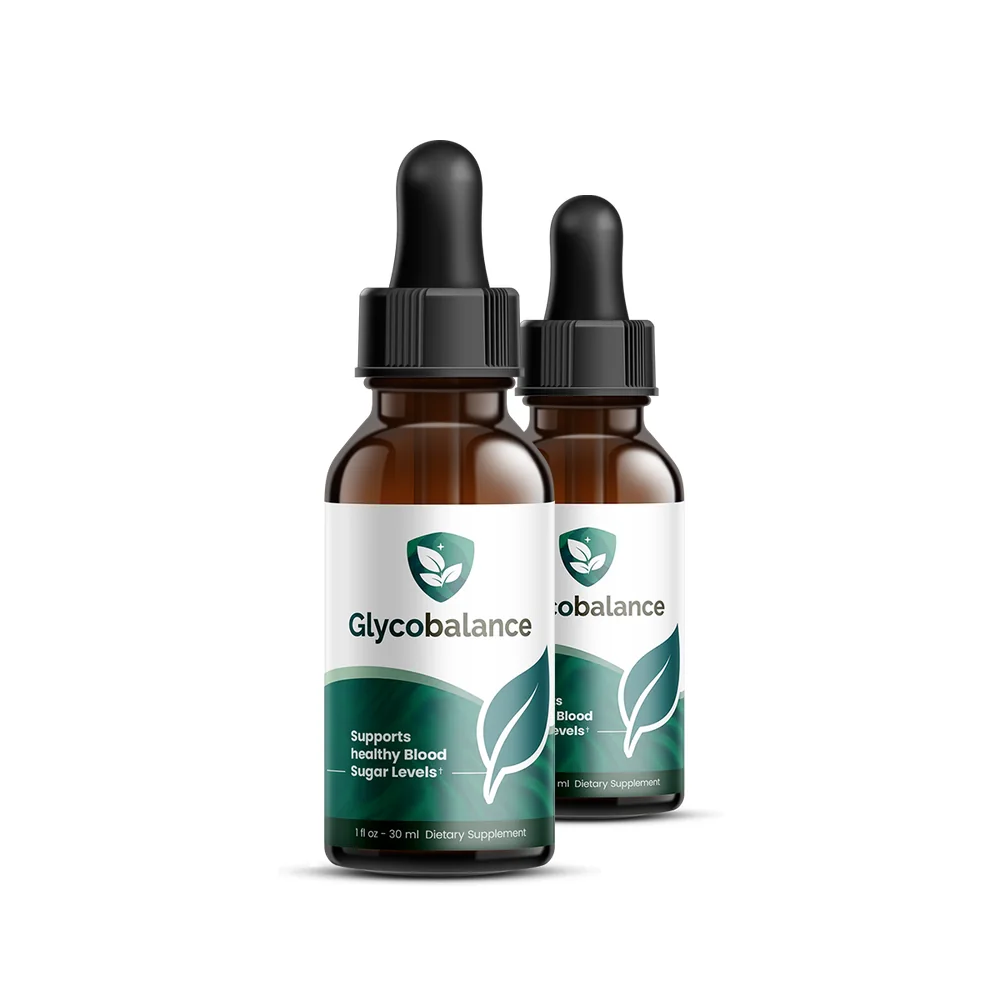
If you are comparing labels to find the best blood sugar supplement for a daily routine, look at the full ingredient panel rather than a single headline botanical. GlycoBalance combines banaba with berberine, Ceylon cinnamon, gymnema, bitter melon, chromium and alpha-lipoic acid in one daily liquid, and lists every per-serving amount.
See the full ingredient panelWhat the banaba leaf blood sugar evidence shows
Here is the honest state of play. The human record is built on a handful of small studies, most of them running for a few weeks rather than months, and several of them are decades old. The most frequently cited work tested a standardised soft-gel extract at two daily amounts and reported modest reductions in blood glucose readings across the group. Other short studies have looked at single meals, measuring how the glucose curve behaves in the two hours after a carbohydrate load with and without the extract.
What you can reasonably take from that body of work: banaba leaf extract has a coherent mechanism, a traditional history, and preliminary human data that points in a consistent direction. What you cannot take from it: any confidence about effect size, about who responds, or about what happens after six months. There have been no large, long, independently funded trials of banaba on its own, and no outcome studies at all. Anyone telling you that banaba leaf blood sugar effects are established is running ahead of the data.
It is also worth noticing what banaba is usually sold inside. Very few products contain banaba alone. It appears as one line on a panel next to berberine, cinnamon, chromium and gymnema, which means whatever a person experiences cannot be attributed to the banaba. That is not a criticism of blends — combining ingredients with different mechanisms is a sensible design — but it does mean formula-level claims outrun ingredient-level evidence.
| Form | Amount used or typical | What it delivers | Evidence strength |
|---|---|---|---|
| Traditional brewed leaf tea | Varies widely, unstandardised | Whole-leaf ellagitannins, unknown corosolic acid | Traditional use; essentially no controlled human data |
| 1% corosolic acid extract | ~32-48 mg daily, split across meals | A small, consistent corosolic acid dose | The form most human trials used; small and short |
| High-percentage extract (10-20%) | A few milligrams of extract | Concentrated single compound, few tannins | Mostly laboratory and animal work |
| Isolated corosolic acid | Around 10 mg in single-meal designs | One compound, no plant matrix | Limited; short single-meal studies |
| Banaba inside a multi-ingredient formula | Depends entirely on the label | Often a minor share of the panel | Formula-level trials are usually absent |
Dose and standardisation: how to read the label
Start with the percentage, then do the arithmetic. If a product lists 100 mg of banaba leaf extract standardised to 1% corosolic acid, it is delivering roughly 1 mg of corosolic acid. If another lists 20 mg of an 18% extract, it is delivering a little over 3 mg. The capsule that looks smaller can easily be the stronger one. This is the single most common mistake shoppers make with standardised botanicals, and it is why the milligram number on the front of a bottle is close to meaningless without the percentage beside it.
The human trials that people quote most often used the equivalent of roughly 32 to 48 mg of a 1% extract per day, divided so that a share landed with meals. That is a small amount of material, which surprises people who expect botanicals to be dosed in grams the way fenugreek seed powder is. Corosolic acid is potent by weight and is not a fibre; you are not trying to fill the gut with it.
A standardisation percentage is a promise about one compound, not about the plant. If a label says "banaba leaf 500 mg" and nothing else, there is no way to line it up against the amounts researchers used — and a big number with no percentage is not evidence of a big dose.
Two more label habits are worth adopting. First, check whether banaba sits inside a proprietary blend; if it does, the individual amount is hidden and comparison is impossible. Second, look for third-party testing, because botanical extracts vary between harvests and suppliers. Neither habit guarantees a result, but both narrow the gap between what a label says and what is in the bottle.
Timing: pair it with the carbohydrate
If the mechanisms above are correct, both of them point in the same practical direction: take banaba around the meals that carry the most carbohydrate. Enzyme inhibition in the gut can only matter while starch is being digested, and glucose transport matters most while glucose is arriving. Sitting an extract in an empty stomach at bedtime asks it to work on a meal that is not there.
In practice that usually means splitting the daily amount between your two largest meals, or taking a single-serving liquid formula shortly before the biggest one. Consistency matters more than precision here. And whatever the ingredient, the meal itself still does the heavier lifting: the size of the carbohydrate portion, the fibre alongside it and whether you move afterwards will each shift the curve more than a few milligrams of any extract. Our piece on walking after meals covers the cheapest of those levers.
Safety, side effects and who should be careful
Banaba leaf has a long history of use as a tea and a reasonable short-term safety record in the studies conducted so far, with digestive complaints being the most common reported issue. Because the amounts involved are small, it is not associated with the gastrointestinal load that high-dose fibres or berberine can bring — a topic covered in our explainer on berberine and digestive side effects.
The genuine cautions are about interaction rather than toxicity. If an ingredient may nudge glucose downward, stacking it on top of insulin or an oral glucose-lowering medication could take levels lower than intended, so that combination belongs in a conversation with your doctor rather than in a shopping basket. There is not enough data to support use in pregnancy or breastfeeding. Very high-percentage corosolic acid extracts are further from the traditional preparation and from the studied products, and there is no long-term human safety data for them. If you have kidney or liver disease, or take medication of any kind, ask a clinician before adding a new botanical.
What banaba leaf cannot do
Being straight about the ceiling is more useful than another paragraph of enthusiasm. Banaba leaf extract cannot treat, cure, prevent or reverse diabetes or any other disease, and no supplement can. It cannot replace medication, and it cannot compensate for a diet built on refined carbohydrate. It has never been tested in a large, long, independent trial, so its real-world effect size in people is genuinely unknown — the honest description of the current data is "promising and preliminary", which is a smaller claim than most marketing makes.
It also cannot be judged from a single glucose reading. Day-to-day glucose swings for reasons that have nothing to do with a capsule: sleep, illness, stress, the timing of your last meal, even how you took the reading. If you want to see whether anything you add is doing something, you need repeated measurements under similar conditions over weeks, ideally alongside the markers your doctor already tracks such as HbA1c. That is the only way to separate a real signal from noise, and it is a discipline that costs nothing.
Finally, an ingredient cannot rescue a badly built formula. A panel that lists a dozen botanicals in trace amounts is not the best natural supplement for blood sugar control simply because banaba is one of the names on it. The amount, the standardisation and the rest of the panel are what matter.
Medical note: this article is general information, not medical advice. Talk to a healthcare professional before starting banaba leaf or any glucose-support supplement, particularly if you take glucose-lowering medication, are pregnant or nursing, or are managing a diagnosed condition.
Scientific references
- PubMed — human and laboratory studies of Lagerstroemia speciosa and corosolic acid
- NIH NCCIH — Diabetes and Dietary Supplements: what the science says
- NIH Office of Dietary Supplements — fact sheets on botanical and mineral supplements
- Harvard T.H. Chan School of Public Health — Carbohydrates and Blood Sugar
- Mayo Clinic — Prediabetes: symptoms and causes
Related reading
- Bitter melon and blood sugar: dose, evidence and cautions
- Gymnema sylvestre: the ‘sugar destroyer’ and what it really does
- The blood sugar supplement ingredients worth looking for in 2026
See how GlycoBalance uses banaba leaf
Banaba alongside berberine, Ceylon cinnamon, gymnema, bitter melon, chromium and alpha-lipoic acid in one daily liquid. If you are working out where to buy GlycoBalance, the official store lists every ingredient, the per-serving amounts and the current pack options.
Frequently asked questions
Does banaba leaf help blood sugar?
Small human trials of banaba leaf extract standardised for corosolic acid report modest support for glucose already in the normal range, mainly around meals. The studies are few, short and small, so the honest summary is that banaba leaf may help a little as part of a diet-first routine. It is not a treatment for any condition and should not replace care or medication prescribed by a doctor.
How much banaba leaf extract do studies use?
The most commonly cited human work used roughly 32 to 48 milligrams a day of a leaf extract standardised to about 1 percent corosolic acid, taken in divided amounts with meals. Extracts standardised to a much higher percentage deliver the same corosolic acid in a smaller capsule. Because there is no official intake, compare any label against the amounts used in published trials rather than against the size of the capsule.
Is banaba leaf the same thing as corosolic acid?
No. Banaba leaf is the whole leaf of Lagerstroemia speciosa, and corosolic acid is one triterpenoid compound inside it. Whole leaf also contains ellagitannins such as lagerstroemin that appear to act by a different route. A product listing plain banaba leaf powder with no corosolic acid percentage cannot be lined up against the standardised extracts used in research.
Can I take banaba leaf with diabetes medication?
Ask your doctor first. Because banaba leaf extract may nudge glucose downward, stacking it on top of medication that already lowers blood sugar could push levels lower than intended. That risk applies to insulin and to oral glucose-lowering drugs. Nobody should start, stop or change a prescription on the strength of a supplement label.