Alpha-Lipoic Acid for Blood Sugar and Nerve Health
Quick Answer: What Does Alpha-Lipoic Acid Do for Blood Sugar and Nerves?
Alpha-lipoic acid (ALA) is an antioxidant studied at about 600 mg a day. Its strongest evidence is for easing the discomfort of diabetic nerve symptoms, where it is widely used in Europe. Its effect on blood sugar itself is more modest — it may improve insulin sensitivity somewhat, but it is better understood as a supporting antioxidant than a primary glucose-lowering agent.
- Strongest evidence: easing diabetic nerve discomfort (burning, tingling).
- Studied dose: about 600 mg/day, the European benchmark.
- Glucose effect: modest — a supporting antioxidant, not a headline.
What alpha-lipoic acid is
Alpha-lipoic acid (ALA) is a compound your body makes in small amounts and uses inside the mitochondria, the energy factories of your cells. What makes it interesting as a supplement is that it is a genuine antioxidant — and an unusually versatile one. Unlike many antioxidants that work only in water or only in fat, ALA is active in both environments, which lets it reach parts of the cell others cannot. It also helps regenerate other antioxidants like vitamins C and E, so it acts a bit like a support crew for your broader antioxidant defenses.
That antioxidant role is the thread that connects its two most-discussed uses: blood sugar and nerve health. But the strength of the evidence is very different for each, and separating the two is the most useful thing this article can do.
Two different questions, two different answers
People often lump ALA in with berberine, cinnamon and chromium as a “blood-sugar ingredient,” and it does appear in many glucose formulas. But ALA's most robust research is not really about lowering glucose — it is about easing the nerve symptoms that can accompany long-standing high blood sugar. Conflating the two leads to inflated expectations. So it helps to ask two separate questions: what does ALA do to blood sugar, and what does it do for nerve discomfort?
ALA and blood sugar
On glucose itself, the honest verdict is “modest and mixed.” Several studies suggest ALA can improve insulin sensitivity — helping cells respond better to insulin — and some report small reductions in fasting glucose. The mechanism is plausible: oxidative stress interferes with insulin signaling, and an antioxidant that reduces that stress could, in theory, help. But the effect sizes in trials are generally small and not consistent enough to call ALA a glucose-lowering treatment. It is reasonable to include it in a formula as a supporting antioxidant for metabolic health; it is not reasonable to expect it to move your fasting number the way a targeted medication would.
ALA and nerve symptoms
This is where ALA has earned its reputation. In parts of Europe, alpha-lipoic acid — frequently at around 600 mg — has been used for years to ease the burning, tingling, numbness and prickling of diabetic peripheral neuropathy, the nerve discomfort that can develop after prolonged high blood sugar. Both oral and intravenous forms have been studied, with the intravenous route used in clinical settings for more pronounced symptoms. The leading explanation is ALA's antioxidant action on nerve tissue, which is particularly vulnerable to oxidative damage.
Two caveats keep this honest. First, “easing symptoms” is not the same as reversing nerve damage or curing neuropathy — the research is about comfort and symptom burden, not repair. Second, diabetic neuropathy is a medical condition that belongs under the care of a clinician; ALA is at most a studied adjunct, not a self-directed treatment. If you have nerve symptoms, that is a conversation for your doctor.
The dose used in studies
The number to remember is 600 mg per day. That is the dose most commonly used in oral studies and in European practice for nerve discomfort. Some trials have tested higher amounts, and intravenous protocols differ, but roughly 600 mg daily is the well-tolerated oral benchmark. You may also see two forms on labels: R-alpha-lipoic acid (the natural form) and the cheaper synthetic racemic mixture (R/S). The natural R-form is marketed as more bioavailable, though most of the clinical evidence used the racemic form, so both have a basis.
Where the evidence is stronger vs. weaker
| Use | What the research supports |
|---|---|
| Diabetic nerve discomfort | Strongest evidence; ~600 mg used to ease burning and tingling symptoms |
| Insulin sensitivity | Some support; may modestly improve how cells respond to insulin |
| Fasting glucose | Mixed and small; not a reliable glucose-lowering effect |
| General antioxidant support | Plausible; regenerates other antioxidants, active in water and fat |
How to take it, and side effects
Alpha-lipoic acid is generally absorbed better on an empty stomach, so a common approach is to take it 30 to 60 minutes before a meal. If that upsets your stomach, taking it with food is a fair compromise — consistency day to day matters more than perfect timing. At typical doses ALA is well tolerated; the most common side effects are mild and digestive, such as nausea, and skin rash is reported occasionally. Very high doses can, rarely, be associated with more serious effects, which is another reason to stick near the studied 600 mg range rather than mega-dosing.
Safety and interactions
The most important interaction is with glucose-lowering therapy. Because ALA may nudge glucose down and improve insulin sensitivity, combining it with diabetes medication could theoretically push blood sugar too low, so that combination needs medical supervision. ALA has also been discussed in relation to thiamine (vitamin B1) status and thyroid function, so people with deficiencies or thyroid conditions should be cautious. As with any active supplement, pregnancy, breastfeeding and existing medical conditions are reasons to check with a clinician first.
Where GlycoBalance fits
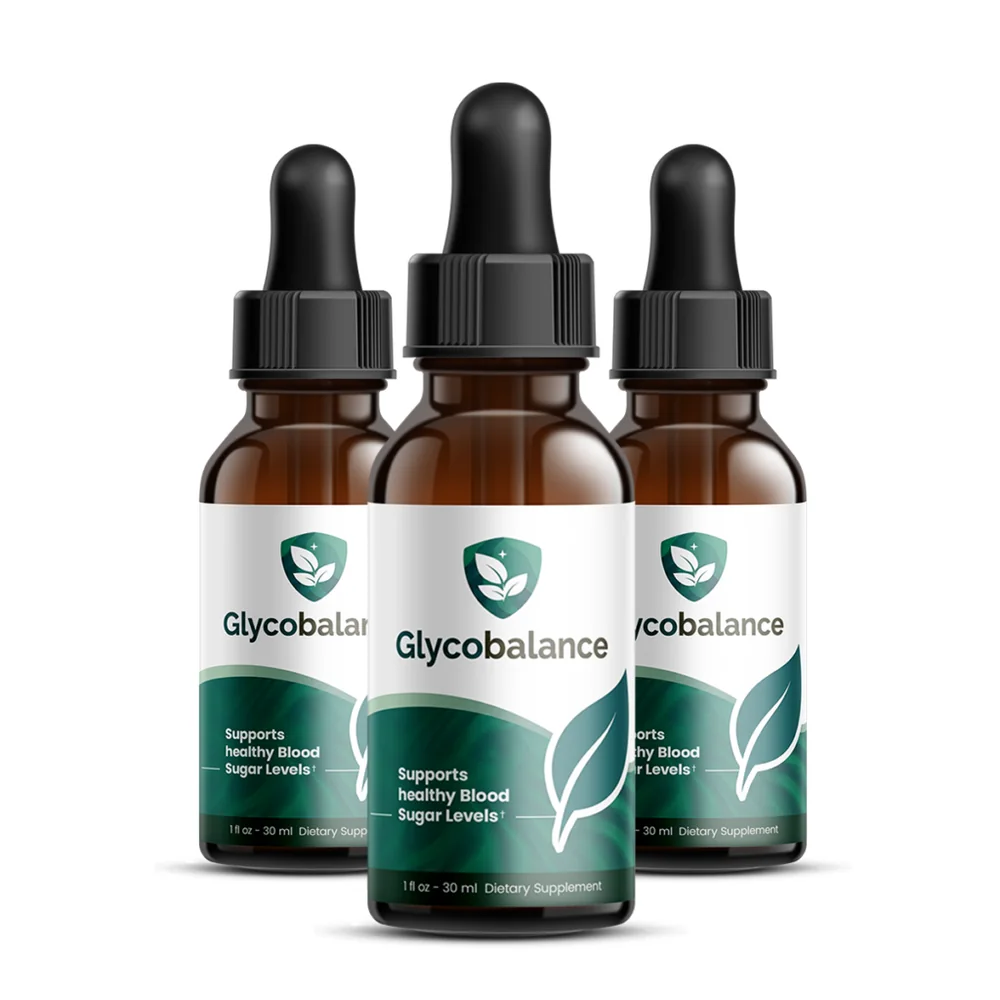
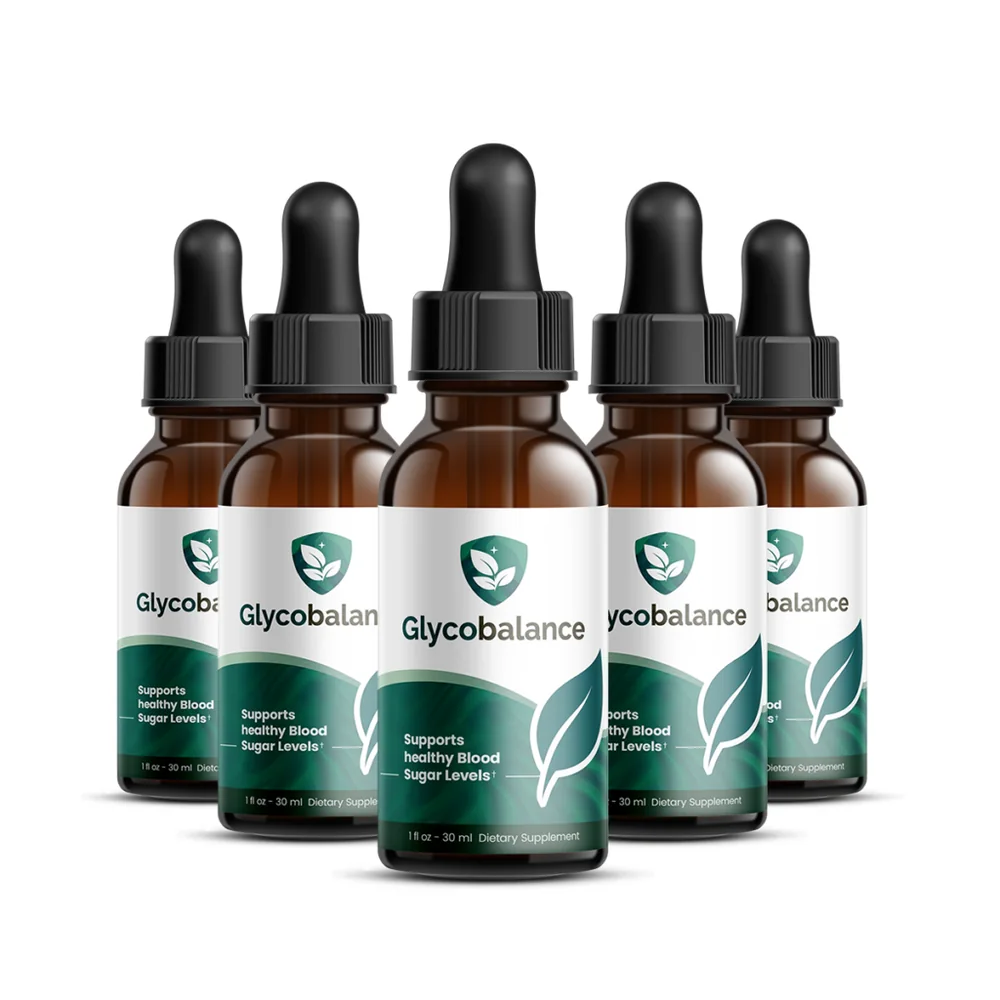
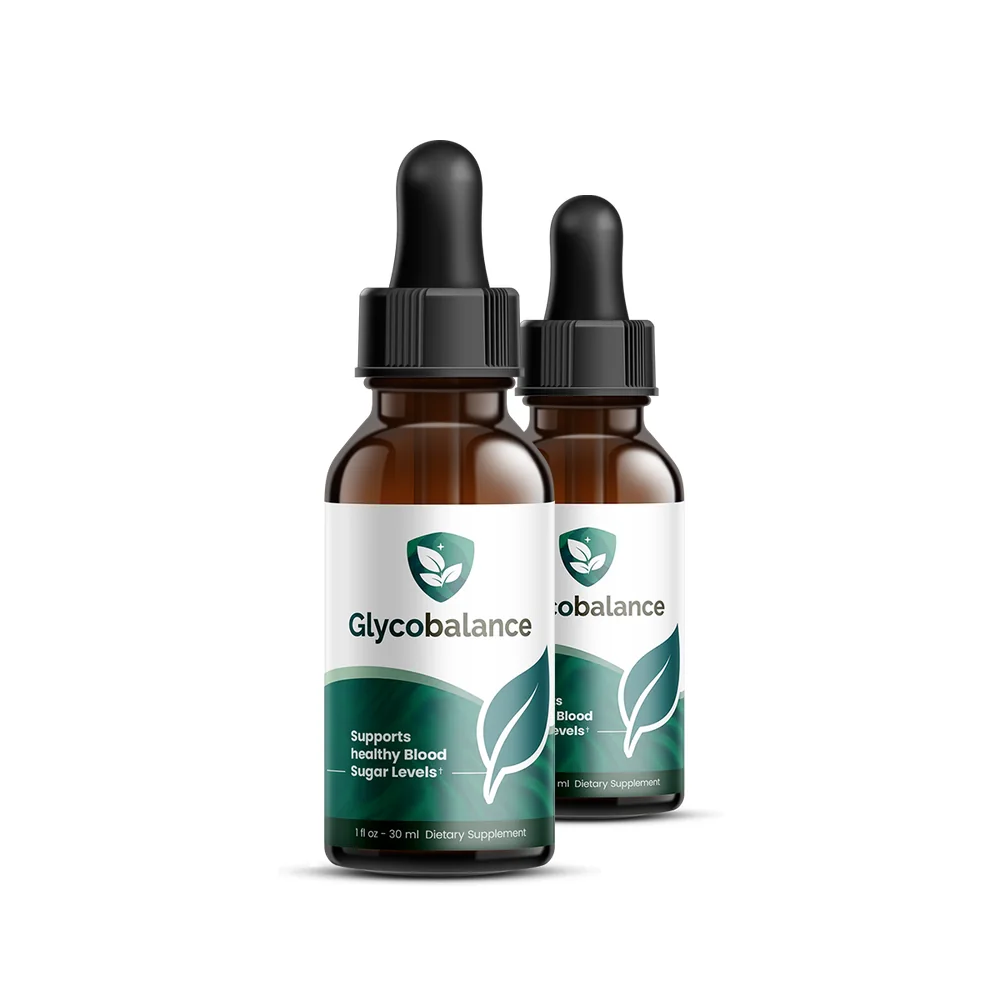
GlycoBalance includes alpha-lipoic acid alongside berberine, Ceylon cinnamon and chromium in a once-daily liquid. Read that inclusion for what it is: ALA is there as a supporting antioxidant, complementing the ingredients with more direct glucose evidence, and reflecting its broader role in metabolic and nerve health. As always, the useful move is to check the per-serving amount against the studied 600 mg if that benefit matters to you, to give any formula 8 to 12 weeks alongside sensible diet and activity, and — if you take medication or have nerve symptoms — to involve your clinician rather than self-treat.
Medical note: this article is general information, not medical advice. Diabetic neuropathy and diabetes require medical care. Alpha-lipoic acid can affect blood sugar and may interact with medication — speak to a healthcare professional before starting it, especially if you take glucose-lowering drugs or have a thyroid or nutrient-deficiency condition.
Scientific references
Related reading
Alpha-lipoic acid, in a considered daily formula
GlycoBalance pairs alpha-lipoic acid with berberine, Ceylon cinnamon and chromium in a once-daily liquid — support for healthy glucose metabolism, with every ingredient and its evidence laid out.
Frequently asked questions
Does alpha-lipoic acid lower blood sugar?
The effect on glucose itself is modest. Some trials suggest ALA may improve insulin sensitivity and slightly lower fasting glucose, but the evidence is more consistent for its antioxidant activity and nerve-symptom research than for dramatic blood-sugar reductions. It is best viewed as a supporting antioxidant, not a primary glucose-lowering agent.
What dose of ALA is used in studies?
Most research uses around 600 mg per day, the dose commonly used in Europe for diabetic nerve discomfort. Some studies go higher, and intravenous forms have been used clinically for nerve symptoms, but roughly 600 mg daily by mouth is the typical, well-tolerated benchmark for oral supplements.
Can ALA help with diabetic nerve symptoms?
This is where the evidence is strongest. In Europe, ALA — often around 600 mg — has been used to ease the burning, tingling and discomfort of diabetic peripheral neuropathy, likely through its antioxidant action on nerve tissue. It supports nerve-symptom comfort in studies; it does not cure neuropathy or replace medical care.
Should ALA be taken on an empty stomach?
Alpha-lipoic acid is generally absorbed better on an empty stomach, so many people take it 30 to 60 minutes before a meal. If it causes stomach upset, taking it with food is a reasonable trade-off. Consistency day to day matters more than perfect timing, and anyone on glucose-lowering medication should check with a clinician first.