Soluble Fiber for Blood Sugar: A Practical Guide
Quick Answer: How Does Soluble Fiber Help Blood Sugar?
Soluble fiber forms a gel in the gut that slows digestion and the absorption of carbohydrates, which softens the rise in blood sugar and insulin after eating. Good everyday sources include oats, beans, psyllium and apples. Add it gradually with plenty of water to avoid bloating while your gut adjusts to the extra fiber.
- How it works: a gut gel slows carb absorption and flattens spikes.
- Best sources: oats, beans and lentils, psyllium, apples, flaxseed.
- Do it gently: ramp up over weeks and drink more water.
Of all the diet changes that steady blood sugar, getting more soluble fiber is one of the most reliable and the least talked about. It is not exotic, it is not expensive, and the evidence behind it is genuinely solid rather than hopeful. This guide covers what soluble fiber is, why it blunts post-meal glucose spikes, where to find it, how much you actually need, and how to add it without the bloating that makes people give up in the first week.
What soluble fiber is (and how it differs from insoluble)
Fiber is the part of plant food your body cannot digest, and it comes in two broad types. Insoluble fiber — the kind in wheat bran, whole grains and many vegetable skins — does not dissolve in water. It adds bulk and speeds things through the gut, which is why it is best known for regularity. Soluble fiber is the type that matters most for blood sugar. It dissolves in water and forms a soft, viscous gel in the digestive tract, and that gel is where its metabolic effects come from.
Most plant foods actually contain a mix of the two, in different ratios. Oats, beans and apples lean soluble; wheat bran and leafy greens lean insoluble. You do not need to obsess over the split — a varied, plant-heavy diet naturally supplies both — but knowing which foods are soluble-rich helps if steadier glucose is your specific goal.
How it blunts post-meal spikes
When you eat a meal with carbohydrates, those carbs are broken down into glucose and absorbed into the blood, driving the familiar post-meal rise. Soluble fiber changes the pace of that process in a few ways. Its gel slows how quickly the stomach empties into the small intestine, so carbohydrates arrive more gradually. It also creates a physical barrier that slows the enzymes and absorption at the gut wall. The net effect is that the same amount of carbohydrate is absorbed over a longer window, so the glucose curve is lower and flatter rather than a sharp peak, and the insulin response is gentler too.
There is a second mechanism worth mentioning. Many soluble fibers are fermented by the bacteria in your large intestine, producing short-chain fatty acids that appear to have their own modest, favourable effects on metabolism. The research here is still developing, but it is part of why fiber-rich diets tend to look good in long-term studies of glucose and heart health. Importantly, these are supportive effects on healthy glucose handling — fiber is food, not a treatment for any disease.
The best everyday sources
You do not need specialist products to get plenty of soluble fiber. Here are strong, ordinary sources and roughly what they contribute.
| Food | Typical serving | Notable for |
|---|---|---|
| Oats / oat bran | 1/2 cup dry | Beta-glucan, the well-studied soluble fiber |
| Beans, lentils, chickpeas | 1/2 cup cooked | Soluble fiber plus protein |
| Psyllium husk | 1 tbsp | Very high, concentrated soluble fiber |
| Barley | 1/2 cup cooked | Beta-glucan, like oats |
| Apples, pears, citrus | 1 medium fruit | Pectin, eaten with the skin |
| Flaxseed (ground) | 1-2 tbsp | Soluble fiber and healthy fats |
Oats deserve a special mention. Their soluble fiber, beta-glucan, is one of the most consistently studied for its effect on post-meal glucose and cholesterol, which is why oats show up so often in this conversation. Beans and lentils are the quiet overachievers — they combine soluble fiber with protein, a pairing that tends to produce especially gentle glucose responses.

How much you actually need
General guidelines put total fiber at roughly 25 grams a day for women and 38 grams for men, yet most people in Western countries get only about half that. There is no separate official target for soluble fiber specifically, but since it is the fraction that does the most for glucose, it is worth being deliberate about including soluble-rich foods at meals. A practical goal is to build every meal around at least one strong fiber source — oats at breakfast, beans or lentils at lunch, plenty of vegetables and a piece of fruit with the skin through the day — and let the total take care of itself.
Ramp up slowly to avoid bloating
Here is the mistake that derails most people: they read that fiber is good, double their intake overnight, and spend the next three days bloated and gassy. When you suddenly feed your gut bacteria far more fermentable fiber than they are used to, the by-product is gas. The fix is simple — go gradually. Add one new fiber source every few days rather than all at once, give your system a couple of weeks to adapt, and increase water alongside the fiber. Soluble fiber works by absorbing water to form its gel, so if you are under-hydrated it can actually cause constipation instead of easing it. More fiber, more water, more slowly.
Psyllium and other fiber supplements
If you genuinely struggle to reach a decent intake from food, a soluble fiber supplement can help close the gap. Psyllium husk is the standout: it is one of the best-studied soluble fibers, with reasonable evidence for blunting post-meal glucose and supporting cholesterol, and it is inexpensive. Taken with a large glass of water before or with a carb-containing meal, it can be a practical tool.
That said, a supplement is a supplement. Whole foods deliver soluble fiber plus protein, vitamins, minerals, polyphenols and other fiber types that a single isolated powder does not. The sensible role for psyllium is to complement a fiber-rich diet, not to excuse a poor one. And as with any supplement, if you take medication, space fiber supplements a couple of hours apart, since the gel can slow the absorption of some drugs — a point worth checking with a pharmacist or clinician.
Simple ways to add it this week
- Swap a refined breakfast for oats or overnight oats with ground flaxseed.
- Add a half-cup of beans or lentils to soups, salads and bowls.
- Keep the skin on apples and pears, and eat the whole fruit rather than juice.
- Stir a tablespoon of psyllium into water before a higher-carb meal.
- Choose barley or whole grains over their refined versions where you can.
None of this is dramatic, and that is rather the point. Steadier blood sugar comes from repeatable habits, and soluble fiber is one of the easiest to build in.
Medical note: this article is general information, not medical advice. If you take medication — especially for blood sugar — talk to a healthcare professional or pharmacist before making big changes to fiber intake, and space fiber supplements away from your medicines.
Scientific references
Fiber first, support second
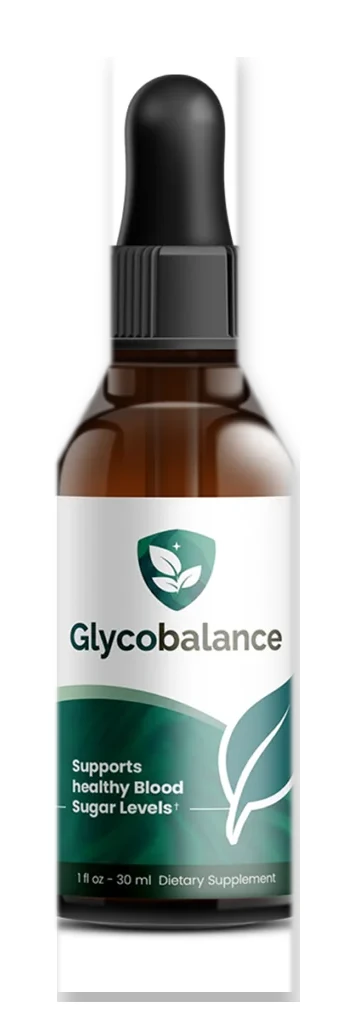
Once the diet basics are in place, GlycoBalance offers optional support — berberine, Ceylon cinnamon, chromium and botanicals in a once-daily liquid for glucose already in the normal range.


Frequently asked questions
How does soluble fiber lower blood sugar?
Soluble fiber dissolves into a gel in your gut, which slows how quickly your stomach empties and how fast carbohydrates are digested and absorbed. That gentler, more gradual absorption blunts the size of the glucose and insulin spike after a meal. Some soluble fibers are also fermented by gut bacteria, which may add further benefit.
How much fiber per day for glucose control?
General guidelines suggest about 25 grams of total fiber a day for women and 38 grams for men, and most people fall well short. For blood sugar specifically, the soluble fraction matters most. Aim to increase intake gradually over a few weeks and drink plenty of water to avoid bloating and discomfort.
What foods are highest in soluble fiber?
Oats and oat bran, barley, beans, lentils and chickpeas, psyllium husk, apples, pears, citrus, carrots and flaxseed are among the richest everyday sources. Most plant foods contain a mix of soluble and insoluble fiber, so a varied diet built around whole grains, legumes, fruit and vegetables covers both.
Is a psyllium supplement as good as food fiber?
Psyllium is one of the best-studied soluble fibers and can be a useful, convenient way to close a gap, with reasonable evidence for post-meal glucose. But whole foods also deliver protein, vitamins, minerals and other fibers a single supplement does not. Use psyllium to complement a fiber-rich diet, not to replace it.